Summary
DANI (Digi Artificial Network Intelligence) is a conversational AI assistant built directly into Digi Remote Manager that helps network teams work faster and smarter. For front-line technicians, it replaces time-consuming log-digging and multi-screen searches with simple plain-language queries. For managers, it frees senior staff from repetitive work, accelerates new-hire onboarding, and enables teams to manage larger device fleets without adding headcount. DANI doesn't replace expertise — it removes the friction that gets in the way of using it.
In this blog post, we'll look at two perspectives and introduce DANI — Digi Artificial Network Intelligence. We will also look at how this integrated capability of Digi Remote Manager supports the efficiency of network managers and walk through two AI-assisted network management scenarios to demonstrate what this looks like in practice. In short, we'll answer the question, "How can AI tools improve network operations?"
Digi Remote Manager (DRM) has always been about giving network teams more control. With Digi Remote Reach, it gave network managers the ability to reach inside a device and fix what is broken from anywhere. With DANI, it gains something just as consequential. It can think alongside the people doing the work.
DANI is a conversational AI assistant built directly into DRM. There is no separate login, no new platform to stand up, no change to how a team is structured. It is there in the interface your operators already use every day, ready to answer a question or surface a problem before it turns into a bigger one.
What does that look like for the people running networks? I have had this conversation with a lot of teams over the past few months. Here is what two of them sound like.
The Technician: More Time Thinking, Less Time Digging
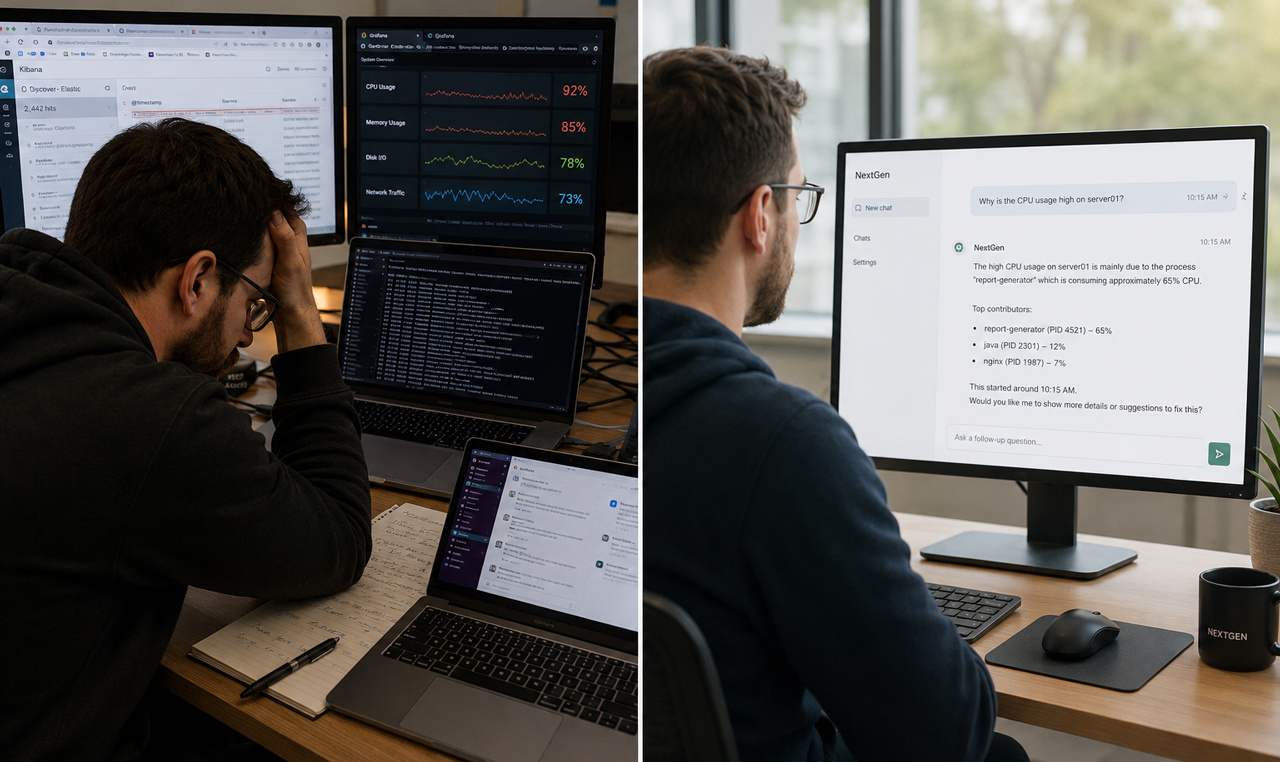
Marcus has managed cellular device fleets for six years. On a typical shift he is responsible for hundreds of routers and gateways spread across transit depots, field offices, and mobile units. His day used to follow a familiar pattern.
When an alert fires, a lengthy process of identifying the issue begins. Today, the technician must take multiple steps to determine a course of action:
Only then can he decide what to do. The information is there. But getting to it just takes time.
DANI collapses that loop. Instead of jumping across screens and logs, Marcus types a question. Which devices in the Western region have had more than three disconnections in the past 24 hours? DANI hands back a direct answer, ranked by frequency, with what he needs to act on it. What used to take 20 minutes of log-pulling now takes seconds.
The bigger shift is where his attention goes. Before DANI, a real share of his mental energy went to retrieval, finding the right data, in the right system, from the right time window. Lift that burden and he spends his time on the part of the job that needs his expertise: deciding what the data means and what to do about it.
He also acts with more confidence. Instead of making judgment calls on incomplete information assembled under time pressure, he works from the full picture. When he escalates to his manager, he brings context, not just a ticket number. When he closes a problem, he understands what actually happened, not just what he changed.
DANI does not replace what Marcus knows. It clears the path so he can use it more effectively.
What changes for a front-line technician
Routine status checks that once meant navigating a stack of dashboards now start with a single question. Troubleshooting that meant reading through raw logs now begins with a plain-language summary of what happened and when. A new alert that would have sent a technician down a research spiral now arrives with the relevant context already attached. The work does not get simpler. It gets more focused.
The Manager: A Team That Scales
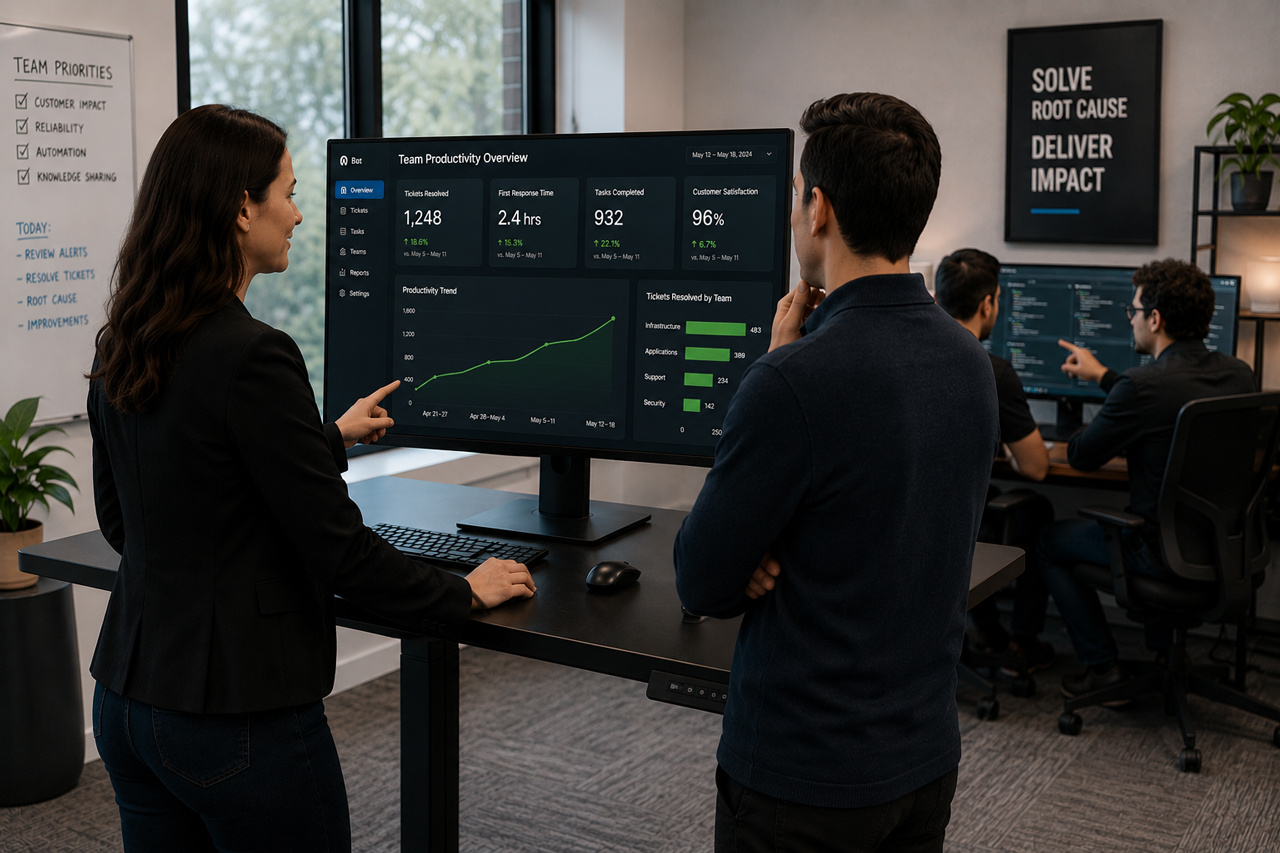
Sandra runs a network operations team responsible for enterprise connectivity across dozens of customer accounts. Her hardest problems never show up on a single dashboard:
- Keeping experienced staff from burning out on repetitive work
- Getting new hires productive before their learning curve costs her on service quality
- Managing a fleet that keeps growing without a commensurate increase in headcount
DANI moves all three.
The first thing Sandra noticed when her team implemented DANI was that her senior technicians stopped doing rote, unnecessary work. They stopped fielding the same questions from junior staff. They stopped being the first call when someone could not find a device record or piece a timeline together from event logs. DANI took that on, not as a replacement for human judgment, but as the first stop for the questions that have clear answers and that used to slow the pace of work to a crawl.
That freed her best people for the work that genuinely needs them: customer escalations, architecture reviews, the edge cases that take someone who has seen a lot of networks fail and knows what it means. Their skills did not change. The demands on those skills finally matched what she hired them for.
Onboarding changed too. Bringing a new technician up used to mean weeks of shadowing, followed by a long stretch where they were productive in some situations and dependent in others. With DANI, new staff members have a resource that answers procedural questions, explains what a device state means, and points them to the relevant history on an account without pulling a senior technician off their own work. The ramp is faster and it costs less.
Her coverage model gets stronger. A DANI-equipped team manages more devices per person without giving up response quality. This is not about cutting headcount. It is about growing the fleet, expanding the customer base, and doing it without adding staff at the same rate.
What changes for a network operations manager
Senior staff spend more time on the work only they can do and less time answering questions their tools should answer for them. New technicians reach full productivity faster. The team manages larger fleets with the capacity it already has. And when something goes wrong, the whole organization responds from one common, accurate picture of what happened.
The Bigger Picture
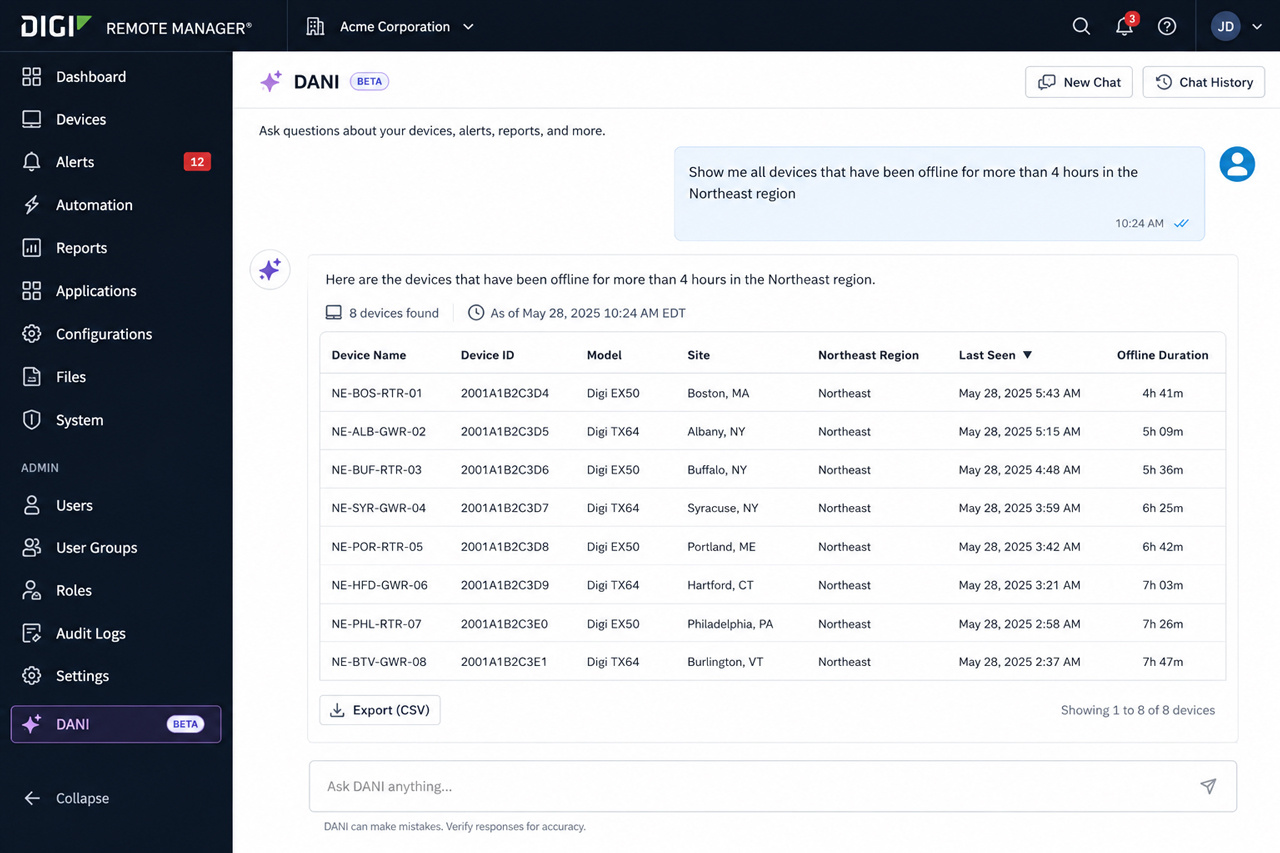
DANI is the next step in what Digi Remote Manager does for the people who depend on it. It gives them the ability to understand their networks faster and act on that understanding with more precision.
That is the direction we are building toward: a platform that does not just collect and display data but actively helps the teams responsible for that data do their jobs better. Network management at scale has always been demanding. DANI does not pretend to remove that demand. It gives operators and managers what they need to meet it with less friction and more confidence.
If your team is spending its best hours digging for information instead of acting on it, this is the change worth making now.
DANI is available as an add-on to Digi Remote Manager. Talk to your Digi representative about getting your team started.
Frequently Asked Questions About DANI (Digi Artificial Network Intelligence)
What is DANI?
DANI (Digi Artificial Network Intelligence) is a conversational AI assistant built directly into Digi Remote Manager (DRM). It helps network teams find information, troubleshoot issues, analyze fleet performance, and take action faster using natural language queries.
How does DANI help network managers improve efficiency?
DANI improves efficiency by reducing the time required to locate device information, review logs, analyze network events, and investigate incidents. Instead of manually searching across multiple dashboards and systems, network managers can ask questions in plain language and receive actionable answers in seconds.
How can AI improve network operations productivity?
AI improves network operations productivity by automating information retrieval, surfacing relevant context, identifying patterns across large device fleets, and helping teams make faster decisions. This allows technicians and managers to spend less time gathering data and more time solving problems and optimizing network performance.
How does DANI reduce troubleshooting time?
DANI shortens troubleshooting workflows by bringing together device status, event history, connectivity data, and operational context into a single conversational experience. Network teams can quickly identify affected devices, understand root causes, and determine next steps without manually reviewing multiple systems.
Can DANI help manage large fleets of connected devices?
Yes. DANI is designed to help teams manage large fleets of routers, gateways, and connected devices. It enables operators to quickly identify trends, locate problematic devices, monitor fleet health, and prioritize issues across thousands of endpoints.
How does DANI help network operations center (NOC) teams?
DANI helps NOC teams by providing instant access to network intelligence, reducing time spent searching logs, accelerating incident response, and improving operational visibility. This allows teams to resolve issues faster and focus on higher-value activities.
How does DANI support network operations managers?
DANI helps network operations managers increase team productivity, improve onboarding, scale operations, and reduce reliance on senior staff for routine questions. It provides consistent access to operational knowledge across the organization and helps teams manage growth without increasing complexity.
Can DANI help new technicians become productive faster?
Yes. DANI acts as an always-available resource that can answer procedural questions, explain device states, provide historical context, and guide technicians toward relevant information. This helps reduce onboarding time and accelerates time-to-productivity for new team members.
Does DANI replace network engineers or technicians?
No. DANI is designed to augment human expertise, not replace it. It handles information gathering, context retrieval, and routine inquiries so network professionals can focus on analysis, decision-making, architecture, and complex troubleshooting.
What types of questions can DANI answer?
DANI can answer operational questions such as:
- Which devices have experienced repeated disconnections?
- Which routers have been offline for more than four hours?
- What events occurred before a device outage?
- Which devices require firmware updates?
- What network issues are affecting a specific region or customer account?
How does DANI help reduce alert fatigue?
DANI helps reduce alert fatigue by providing context alongside alerts, helping operators understand what happened, when it happened, and which devices are affected. This reduces the need for manual investigation and helps teams prioritize the most important issues.
Can AI help network teams scale without adding headcount?
AI can help network teams manage larger environments more efficiently by automating routine tasks, accelerating investigations, and making operational knowledge more accessible. This allows organizations to support fleet growth and customer expansion without increasing staffing at the same pace.
How does DANI improve decision-making?
DANI provides network teams with faster access to complete and relevant information. By reducing the time spent gathering data, operators and managers can make decisions based on a more comprehensive understanding of network conditions and device performance.
Is DANI integrated into Digi Remote Manager?
Yes. DANI is built directly into Digi Remote Manager. There is no separate application to deploy, no additional interface to learn, and no need to switch between platforms. Teams can access DANI within the DRM environment they already use.
What are the benefits of using AI in network management?
AI-powered network management can help organizations:
- Improve operational efficiency
- Reduce troubleshooting time
- Accelerate incident response
- Increase technician productivity
- Improve visibility across device fleets
- Simplify onboarding and training
- Scale operations more effectively
- Make faster, more informed decisions
How does DANI help improve customer service?
By helping teams identify and resolve issues faster, DANI can contribute to improved uptime, faster response times, and better customer experiences. Teams spend less time searching for information and more time addressing customer needs.
Who should use DANI?
DANI is designed for network operations center teams, network managers, IT administrators, field support teams, managed service providers, and organizations responsible for managing large fleets of connected devices through Digi Remote Manager.
How do I get started with DANI?
DANI is available as an add-on to Digi Remote Manager. Contact your Digi representative to learn more about enabling DANI for your organization and exploring how AI-assisted network management can support your operational goals.