The stakes have never been higher for reliable and secure connectivity, especially in mission critical applications. In military and aerospace, embedded systems don't just improve efficiency; they protect lives, safeguard national security, and keep billion-dollar platforms operational in the world's most demanding environments. From autonomous unmanned aerial vehicles (UAVs) to next-generation avionics and battlefield communications networks, embedded connectivity is the invisible backbone of modern defense and aerospace operations.
The global defense electronics market continues to accelerate and is projected to reach over $170 billion by 2030. As a result, the demand for ruggedized, secure, and highly reliable embedded systems has never been greater. In this article, we explore the key use cases, technologies, challenges, and solutions that define embedded connectivity for military and aerospace applications.
Why Embedded Connectivity Is Mission-Critical
 Unlike commercial IoT deployments, military and aerospace embedded systems operate under a fundamentally different set of constraints. Equipment must function reliably in extreme temperature ranges, from Arctic cold to desert heat, while withstanding shock, vibration, electromagnetic interference (EMI), and the rigors of high-altitude flight or naval deployment. Downtime is not a minor inconvenience; it can be mission-ending or worse.
At the same time, modern defense platforms are becoming increasingly software-defined and data-driven. Situational awareness on the battlefield now depends on real-time sensor fusion from dozens of embedded devices. Aircraft health monitoring systems must transmit avionics data continuously to prevent catastrophic failure. Command-and-control networks require encrypted, low-latency wireless links that cannot be jammed or intercepted.
Embedded wireless modules are compact, purpose-designed connectivity solutions integrated directly into a host device that are key enablers for all of these capabilities. When properly designed and certified, they allow OEMs and prime contractors to add cellular, RF mesh, or satellite connectivity to their platforms without the cost and complexity of designing custom radio hardware from scratch.
Key Use Cases for Embedded Systems in Military and Aerospace
The key use cases for embedded systems in military and aerospace span a wide range of defense systems and commercial aircraft. In this section, we’ll take a look at some examples across this mission critical industry.
1. Unmanned Aerial Vehicles (UAVs) and Drone Communications
UAVs are among the fastest-growing platforms in modern defense, used for intelligence, surveillance, and reconnaissance (ISR), logistics resupply, electronic warfare, and strike missions. Each of these use cases depends on a reliable, secure command-and-control (C2) link between the UAV and its ground control station.
Embedded cellular modems and RF modules enable UAVs to maintain telemetry links, transmit sensor data in real time, and receive updated mission parameters, even beyond line of sight. For autonomous drone swarms, embedded mesh networking modules allow individual units to relay data peer-to-peer, maintaining the network even when individual drones go offline.
Key requirements in this use case include low power consumption to maximize flight time, compact form factor to minimize payload weight, and robust encryption to prevent adversarial takeover or signal interception.

2. Avionics Health Monitoring and Predictive Maintenance
Aircraft systems, including military jets, transport aircraft, and commercial aviation, contain thousands of sensors to monitor engines, hydraulics, avionics, and structural integrity. Historically, this data was analyzed only after a flight, during manual maintenance inspections. Today, embedded connectivity allows for continuous, real-time health monitoring both in flight and on the ground.
Embedded modules integrated into Line Replaceable Units (LRUs) and avionics boxes can stream performance data to maintenance systems via secure wireless links. Ground crews receive alerts about potential failures before they become safety-critical, enabling predictive maintenance that reduces aircraft downtime and extends service life. For military operators, this means higher mission-ready rates and lower total cost of ownership.
This is directly analogous to the predictive maintenance revolution underway in industries like oil and gas. In aerospace, however, the consequences of missed alerts are measured in human lives and national security, not just operational budgets.

3. Battlefield Situational Awareness and C2 Networks
Modern soldiers operate as nodes on a digital network. Embedded wireless systems in radios, body-worn sensors, vehicle platforms, and handheld devices create a common operating picture that commanders use to coordinate operations across large geographic areas.
Embedded RF modules and cellular modems enable dismounted soldiers to transmit GPS location, biometric status, and video feeds from body-worn cameras back to a tactical operations center (TOC). Armored vehicles equipped with embedded LTE or SATCOM modules can receive updated threat intelligence and route data in real time. At the command level, secure cellular or mesh radio networks tie together a distributed battlefield into a coherent, actionable network.
This use case demands not only reliable connectivity but also multi-band and multi-protocol capability, so units can communicate across different frequency bands depending on terrain, threat environment, and mission type.
4. Satellite Ground Systems and Space Applications
Satellite ground control stations, space launch vehicles, and on-orbit spacecraft all depend on embedded electronics for telemetry, tracking, and command (TT&C) functions. Embedded processing and communication modules must survive radiation exposure in orbit and the extreme shock and vibration profiles of a rocket launch.
On the ground, embedded connectivity modules are used in portable and fixed satellite terminals that relay communications from forward operating bases, command ships, or remote sensor stations. As the market shifts toward Low Earth Orbit (LEO) satellite constellations, embedded systems must be capable of dynamically tracking and switching between satellites, which is a demanding requirement for real-time RF processing.
5. Electronic Warfare (EW) and Signals Intelligence (SIGINT)
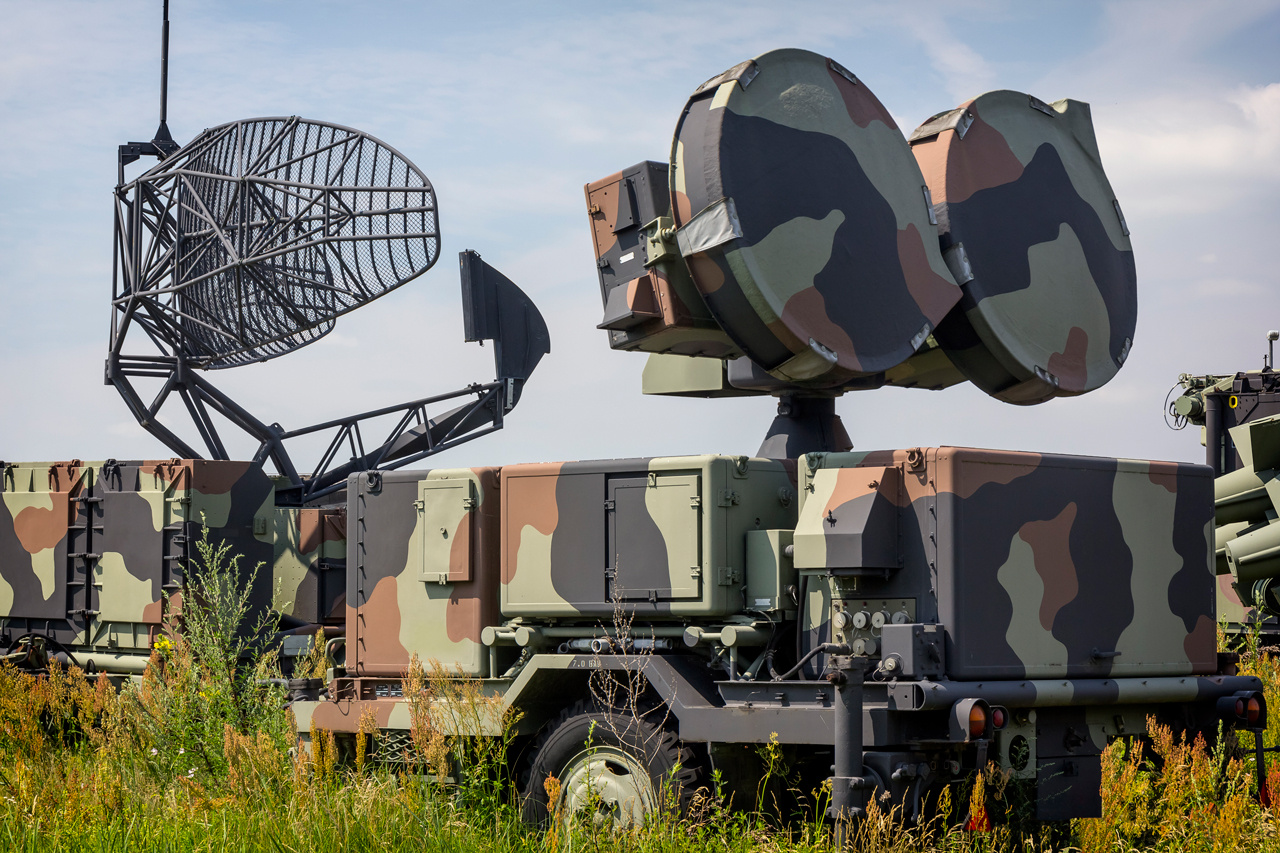
Electronic warfare systems, including airborne, ground-based, and naval systems, require embedded processing platforms capable of rapidly scanning the electromagnetic spectrum, identifying threat emitters, and either jamming or exploiting them. These platforms depend on tightly integrated embedded systems that combine RF front ends with high-speed digital signal processors and secure communication links.
SIGINT collection platforms similarly rely on embedded modules to capture and transmit large volumes of intercepted signal data to analysis centers in near-real time. Embedded systems in EW and SIGINT applications must meet stringent TEMPEST requirements (protection against unintended electromagnetic emissions) and operate with extremely low probability of intercept (LPI) and low probability of detection (LPD).
6. Unmanned Ground Vehicles (UGVs) and Robotics
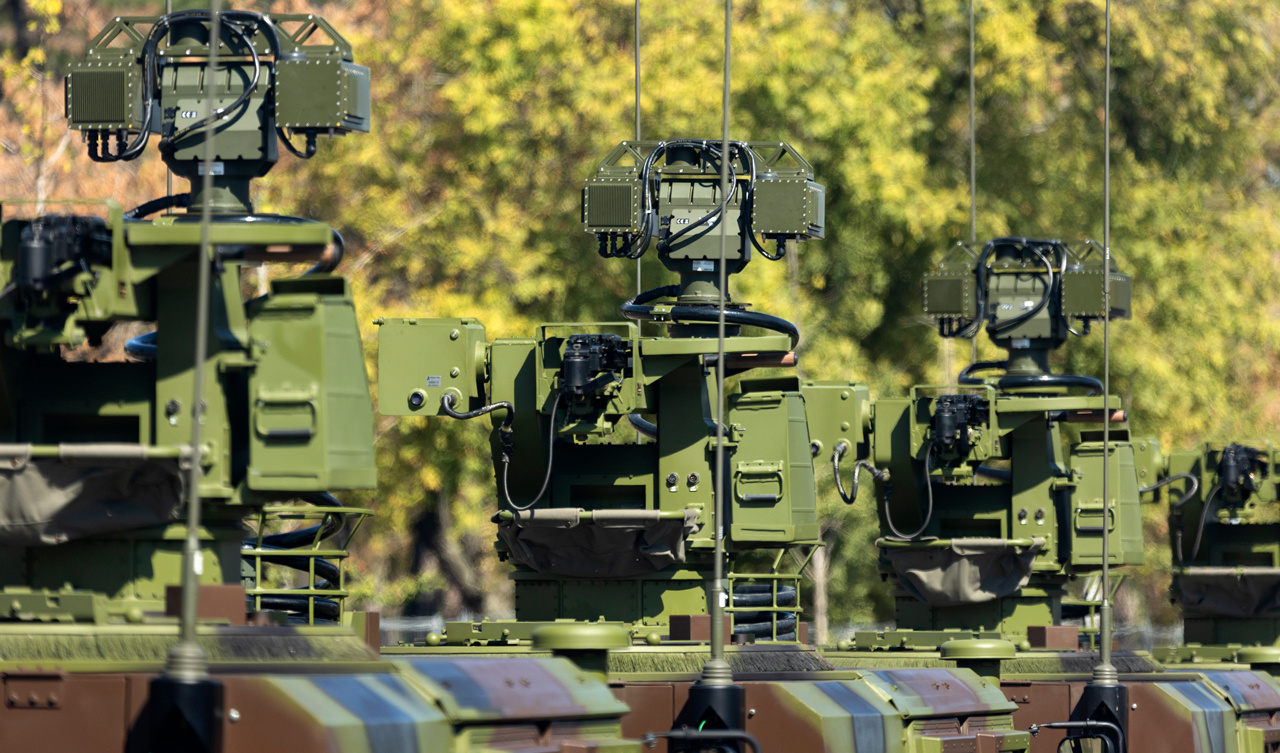
Ground vehicles across the modern force, from main battle tanks and armored personnel carriers to remotely operated robots, depend on embedded wireless systems for communications, sensing, and control. On manned platforms such as tanks, infantry fighting vehicles, and tactical trucks, embedded modules link onboard sensors, fire control systems, and vehicle health monitors to the wider tactical network. Crews receive updated threat intelligence, share position and sensor data with other vehicles, and send diagnostic data on engines, drivetrains, and ammunition status back to maintenance and logistics systems, supporting predictive maintenance in the field.
Unmanned ground vehicles (UGVs) used for explosive ordnance disposal (EOD), reconnaissance, and logistics rely on embedded wireless systems for real-time control and sensor data transmission. As these platforms become more autonomous, and as manned vehicles add driver-assist, remote weapon stations, and optionally manned operation, embedded systems must support higher data rates for camera feeds and LiDAR point clouds while maintaining secure, interference-resistant communication links.
Across both categories, embedded connectivity must withstand extreme shock, vibration, and electromagnetic interference (EMI) while operating within the vehicle’s power and space constraints.
7. Naval Vessel Monitoring and Fleet Management
Modern naval vessels from destroyers to submarine support ships contain thousands of embedded sensors monitoring propulsion, damage control, weapons systems, and crew safety. Embedded connectivity modules allow ship systems to share data across internal networks and, when in port or within range, transmit status updates to shore-based fleet management systems.
At sea, embedded SATCOM and narrowband RF modules provide the long-range connectivity needed for over-the-horizon communication with fleet command. In multi-ship task forces, embedded mesh networking allows vessels to share a common tactical picture even in radio-frequency-contested environments.
Core Technologies for Military and Aerospace Embedded Connectivity
Let’s look at some of the core embedded systems and technologies these use cases require.
 Ruggedized Embedded Cellular Modules
Embedded cellular modems designed for industrial and defense applications are built to operate across wide temperature ranges (typically -40 °C to +85 °C or beyond), meeting MIL-STD-810 standards for shock, vibration, humidity, and altitude. These modules support LTE, LTE-Advanced, and emerging 5G NR waveforms, enabling high-bandwidth data links in environments where cellular infrastructure exists or has been deployed tactically.
RF Mesh Networking
In GPS-denied, communications-degraded, and infrastructure-denied (GPS/COMM/INF-D) environments, RF mesh networks provide resilient connectivity by routing data through multiple wireless hops. Each embedded node serves as both a data endpoint and a relay, so the network self-heals around damaged or jammed nodes. Frequency-hopping spread spectrum (FHSS) waveforms add additional resistance to jamming and interception.
Satellite Communication (SATCOM) Modules
For truly beyond-line-of-sight connectivity in remote theaters, at sea, or in the air, embedded SATCOM modules provide persistent communication links independent of terrestrial infrastructure. Modern embedded SATCOM solutions support both geostationary (GEO) and low earth orbit (LEO) constellations, enabling lower latency and higher throughput than legacy SATCOM systems.
Secure Communications and Encryption
Military-grade embedded connectivity requires end-to-end encryption certified to NSA Suite B or Commercial National Security Algorithm (CNSA) standards. Hardware security modules (HSMs) embedded in the module protect cryptographic keys from physical extraction, while secure boot and firmware signing prevent tampering with the communications stack.
Edge Computing Integration
Modern embedded platforms increasingly combine connectivity with local processing, enabling AI inferencing and data fusion at the edge, on the vehicle, aircraft, or soldier, rather than relying on a centralized cloud. This reduces latency, preserves bandwidth, and ensures that critical functions continue even when the communication link is degraded or severed.
Challenges in Military and Aerospace Embedded Connectivity
Due to the mission-critical nature of military and aerospace applications, it is of paramount importance to identify challenges and build eminently robust, secure, and reliable systems.
 Certification and Qualification
Military and aerospace applications require embedded systems to meet rigorous qualification standards. Defense programs typically reference MIL-STD-810 (environmental testing), MIL-STD-461 (electromagnetic compatibility), and DO-178C (avionics software). Achieving and maintaining these certifications is time-consuming and costly, but essential for program acceptance. OEMs integrating third-party embedded modules must carefully evaluate the certification status of any component they incorporate.
Size, Weight, and Power (SWaP) Constraints
Every gram and milliwatt matters in aerospace and dismounted soldier applications. Embedded connectivity modules must deliver high performance within extremely tight SWaP envelopes. Advances in semiconductor integration, which combine radio, baseband, and application processing on a single system-on-module, are helping shrink these constraints, but SWaP optimization remains a central challenge for defense embedded system designers.
Cybersecurity and Supply Chain Integrity
Military systems are high-value targets for adversarial cyber operations. Embedded connectivity modules must be designed with security as a foundational requirement, not an afterthought. This includes hardware root of trust, secure boot, encrypted communications, and rigorous supply chain provenance to ensure that no counterfeit or maliciously modified components enter the system. The risks of counterfeit components in defense electronics are well-documented and have driven requirements such as DFARS 252.246-7008 for counterfeit part detection.
Additionally, OEMs in this space must comply with a growing list of international security regulations, including the Cyber Resilience Act.
Get Our White Paper
Learn about the Cyber Resilience Act and how to comply
Download PDF
Multi-Band and Multi-Protocol Operation
Defense platforms often need to communicate across different networks and frequency bands depending on the mission. A vehicle that connects to tactical LTE in garrison must also operate on legacy VHF/UHF radio nets or SATCOM links in deployed environments. Embedded systems that support multi-band, multi-protocol operation simplify platform design and reduce the logistical burden of carrying multiple radios.
Long Product Lifecycles
Defense programs routinely span 20 to 30 years. Embedded components selected at program inception must be available for the full lifecycle of the platform or have a reliable succession plan. Some commercial embedded modules, by contrast, may have product lifecycles of only three to five years. Defense-focused embedded module suppliers must provide long-term product availability assurances, obsolescence management programs, and clear upgrade paths.
Digi's Embedded Connectivity Solutions for Mission-Critical Applications
Digi International has spent decades developing embedded wireless solutions for the most demanding environments on the planet. Digi's embedded product families, including the Digi XBee ecosystem of wireless communication modules and the Digi ConnectCore developer platform, are purpose-built for applications where failure is not an option.
 Digi XBee Cellular Modems
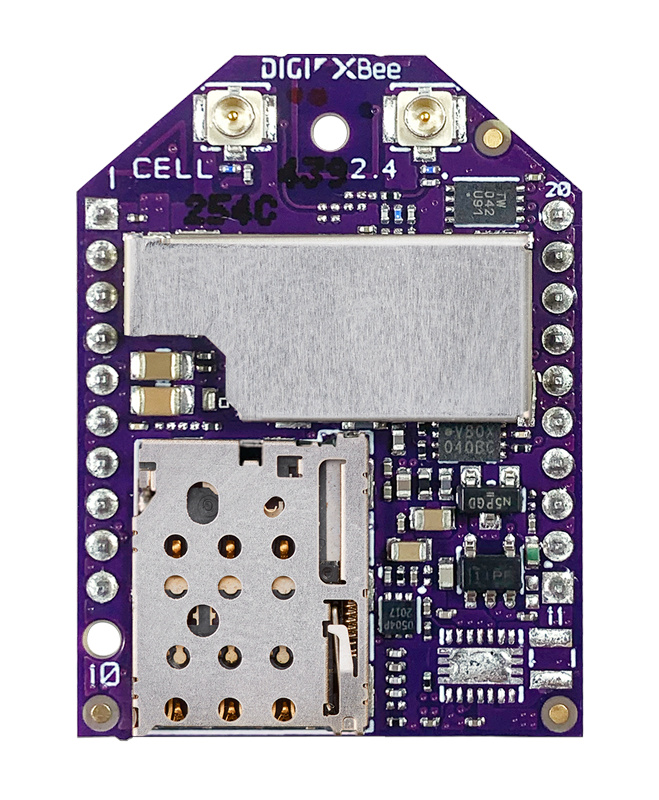
Digi XBee cellular modems are compact, pre-certified embedded modules that bring LTE connectivity to OEM designs with minimal development effort. With a consistent pin-compatible hardware design and software interface across generations, Digi XBee modules allow OEMs to future-proof their designs, swapping to a newer modem generation without a hardware redesign. Built-in security features including TLS encryption and certificate management support secure-by-design architectures.
Digi XBee RF Modules
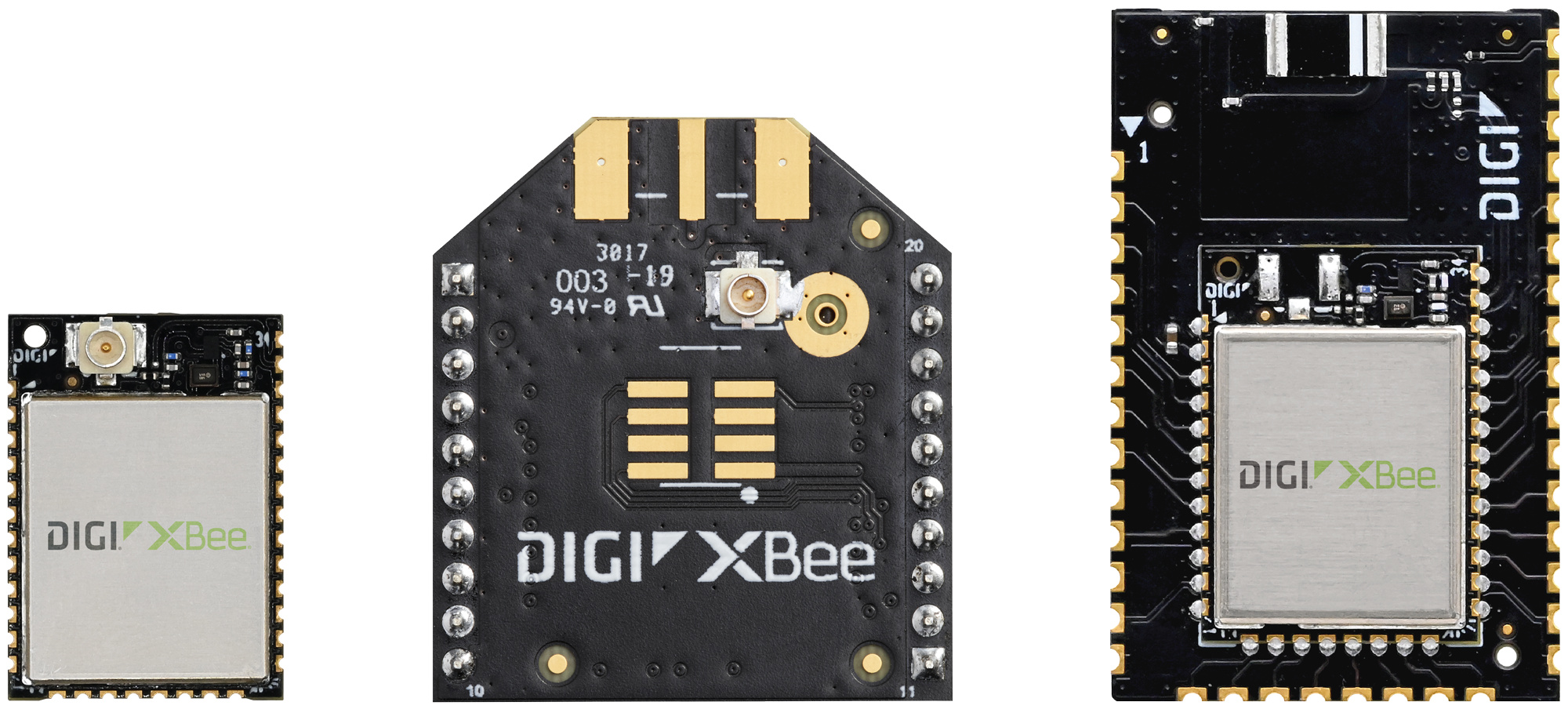 Digi XBee RF modules offer proven, field-tested performance. Supporting Wi-SUN, Zigbee, 802.15.4, DigiMesh, and other protocols, these modules enable reliable multi-hop networking in applications ranging from ground sensor networks to UAV telemetry relay chains. Low power operation makes them well-suited for battery-powered deployed assets.
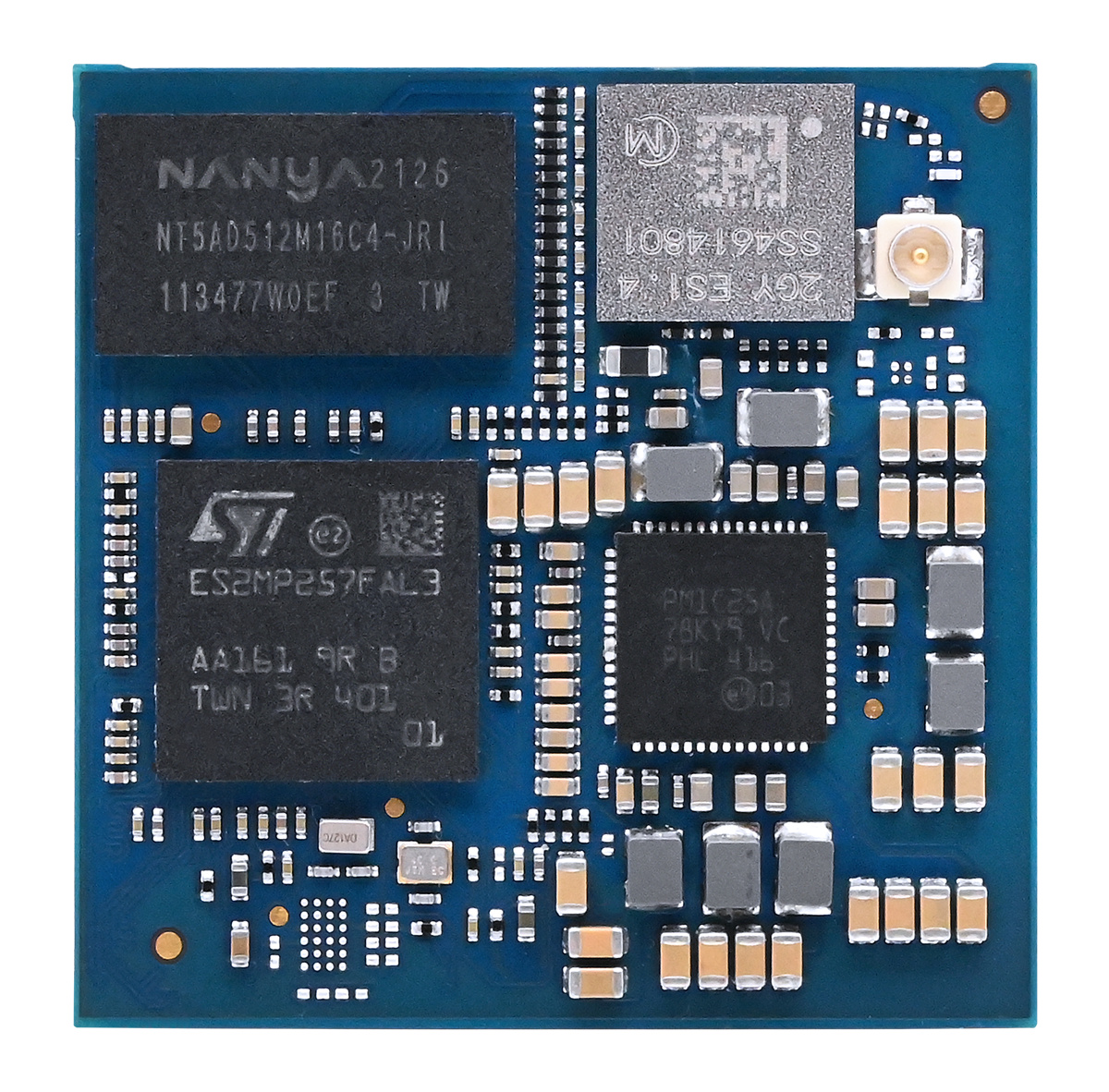 Digi ConnectCore System-on-Modules
For applications requiring edge compute alongside connectivity, Digi ConnectCore SOMs integrate processing, memory, storage, and wireless connectivity in a compact, rugged module. ConnectCore SOMs run Linux-based software stacks optimized for industrial and defense use, enabling OEMs to deploy sophisticated edge AI, sensor fusion, and secure communications applications without designing custom hardware from scratch.
 Digi Remote Manager and Digi ConnectCore Cloud Services
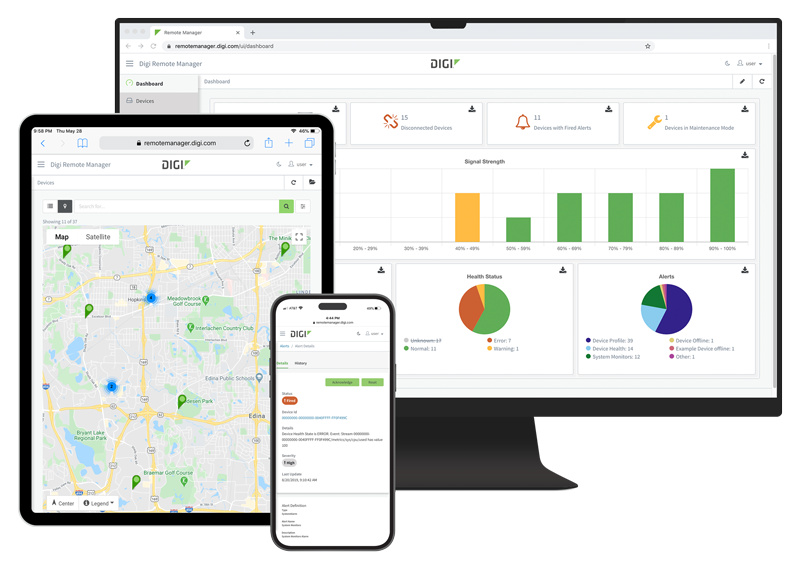
Managing a fleet of embedded devices deployed across multiple platforms, locations, and theaters requires a robust device management platform. Digi Remote Manager provides centralized visibility, configuration management, secure OTA firmware updates, and health monitoring for Digi XBee devices, and Digi ConnectCore Cloud Services provides these key capabilities for Digi ConnectCore SOMs, keeping embedded systems up to date and mission-ready throughout their operational lifecycle.
 Digi ConnectCore Security Services
Deploying an embedded system is only the beginning. Keeping it secure across a service life that can span decades is where many defense and aerospace programs fall short. Digi ConnectCore Security Services address this challenge directly, providing continuous vulnerability monitoring and lifecycle security management for ConnectCore-based products throughout the entire time they are in the field.
The service generates a custom Software Bill of Materials (SBOM) for each deployed product and continuously monitors it against vulnerability databases optimized for embedded systems, delivering more actionable intelligence than standard sources such as the National Vulnerability Database (NVD). Digi ConnectCore Security Services make it operationally practical to meet strict security requirements across a large fleet of deployed devices without dedicated security engineering resources at every program office.
Long-Term Support
Digi provides defense and aerospace customers with extended product availability, compatible system upgrades, and managed obsolescence support, addressing one of the most persistent challenges in long-lifecycle defense programs.
Design Services
Digi offers comprehensive wireless design services to support prototyping and development of connected systems where failure is not an option.
FAQ: Embedded Systems in Military and Aerospace
What are embedded systems in military and aerospace applications?
Embedded systems in military and aerospace are purpose-built computing and communications modules integrated directly into a host platform such as an aircraft, unmanned vehicle, naval vessel, or soldier-worn device to perform dedicated functions like telemetry, sensor data processing, encrypted communications, and flight control. Unlike general-purpose computers, these systems are optimized for reliability, security, and performance within tight size, weight, and power (SWaP) constraints, and must meet rigorous defense qualification standards such as MIL-STD-810 and DO-178C.
Why is embedded connectivity critical for defense and aerospace platforms?
Defense and aerospace platforms operate in environments where connectivity failures can directly compromise mission success and human safety. Embedded connectivity modules provide the real-time data links needed for UAV command and control, avionics health monitoring, battlefield situational awareness, and satellite communications. These are functions that cannot tolerate the latency, size, or power overhead of non-integrated solutions. Designing connectivity directly into the platform also enables tighter security controls, lower electromagnetic emissions, and longer operational lifecycles than externally attached devices.
What is the difference between an embedded module and an external communications device in a military system?
An embedded module is integrated directly onto or into the host platform's circuit board or chassis, sharing power, data buses, and enclosure with the host. An external communications device, such as a manpack radio or vehicle-mounted modem, is a separate, standalone unit connected via a cable or interface. Embedded modules offer significant SWaP advantages, tighter security integration, and higher reliability in shock and vibration environments, making them the preferred approach for aircraft, UAVs, and other space-constrained defense platforms.
What are the main use cases for embedded systems in military applications?
The primary use cases for embedded systems in military applications include:
- UAV and drone command and control (C2): Real-time telemetry, sensor data transmission, and mission updates over secure wireless links
- Battlefield situational awareness: Soldier-worn and vehicle-mounted embedded devices sharing GPS, biometrics, and video across a tactical network
- Electronic warfare (EW) and SIGINT: Embedded RF processing platforms for spectrum monitoring, jamming, and signals exploitation
- Unmanned ground vehicles (UGVs): Embedded wireless modules enabling remote operation and autonomous navigation
- Predictive maintenance: Continuous sensor monitoring on vehicles and aircraft to detect faults before failure
How are embedded systems used in aerospace applications?
In aerospace, embedded systems are used for avionics health monitoring, flight data recording, satellite ground terminal control, and on-orbit spacecraft telemetry. Embedded connectivity modules allow aircraft Line Replaceable Units (LRUs) to transmit real-time performance data to maintenance systems, enabling predictive maintenance that reduces unplanned downtime. In space applications, radiation-hardened embedded modules handle telemetry, tracking, and command (TT&C) functions for satellites and launch vehicles.
How do embedded systems support UAV operations?
Embedded cellular modems and RF modules in UAVs maintain the command-and-control link between the aircraft and its ground control station, transmit sensor and camera data in real time, and receive updated mission parameters in flight. For autonomous drone swarms, embedded mesh networking modules allow individual UAVs to relay data peer-to-peer, keeping the network operational even when individual aircraft are lost or jammed. Low power consumption and a compact form factor are critical requirements, as every gram and milliwatt directly affects flight time and payload capacity.
What role do embedded systems play in avionics health monitoring?
Embedded connectivity modules integrated into avionics boxes and LRUs collect performance data from engines, hydraulics, and structural sensors and transmit it via secure wireless links to maintenance systems on the ground or in a depot. This enables predictive maintenance: identifying developing faults before they cause in-flight failures or unscheduled groundings. For military operators, higher aircraft availability directly translates to higher mission-ready rates and lower lifecycle costs.
Can embedded wireless systems operate in GPS-denied or communications-degraded environments?
Yes. RF mesh networking modules use frequency-hopping spread spectrum (FHSS) waveforms and multi-hop routing to maintain connectivity in environments where GPS and terrestrial communications infrastructure are unavailable or actively jammed. Each node in the mesh acts as both an endpoint and a relay, so the network self-heals around damaged or suppressed nodes. Embedded SATCOM modules provide an additional layer of beyond-line-of-sight connectivity independent of terrestrial infrastructure.
What wireless technologies are used in military embedded systems?
Military embedded systems use a range of wireless technologies depending on the application and environment:
- LTE and 5G cellular: High-bandwidth connectivity in areas with tactical or commercial cellular infrastructure
- RF mesh networking (Wi-SUN, Zigbee, DigiMesh, 802.15.4): Resilient multi-hop networking for denied or degraded environments
- SATCOM (GEO and LEO): Beyond-line-of-sight connectivity independent of terrestrial infrastructure
- UHF/VHF tactical radios: Legacy interoperability with existing military radio networks
- Wi-Fi (802.11): Short-range, high-throughput links in fixed installations and command posts
Many platforms require multi-band, multi-protocol embedded modules that can switch between these technologies based on mission phase and environment.
How are system-on-modules (SOMs) used in defense applications?
A system-on-module (SOM) is a compact board that integrates a processor, memory, storage, and wireless connectivity into a single, certifiable unit. In defense applications, SOMs allow OEMs to add sophisticated computing and communications capability including edge AI and sensor fusion without designing custom silicon. They also simplify certification, since the SOM vendor handles qualification testing for the core compute and radio components, and provide a clear upgrade path when newer processors or radio standards become available.
Why does edge computing matter for military embedded systems?
Edge computing processes and analyzes data locally on the vehicle, aircraft, or soldier device rather than transmitting raw data to a centralized cloud or server. In military applications, edge computing reduces the volume of data that must be transmitted over contested or bandwidth-limited links, decreases decision latency, and ensures that critical functions continue even when the communication link is degraded or severed. Combining edge AI with embedded connectivity allows autonomous vehicles and sensor platforms to make real-time decisions in the field without constant contact with a command node.
What standards govern embedded systems in military and aerospace?
Key standards for military and aerospace embedded systems include:
- MIL-STD-810: Environmental engineering considerations; covers temperature, shock, vibration, humidity, altitude, and other environmental stressors
- MIL-STD-461: Requirements for the control of electromagnetic interference (EMI) and electromagnetic compatibility (EMC)
- DO-178C: Software considerations in airborne systems and equipment certification (the primary standard for avionics software)
- DO-254: Design assurance guidance for airborne electronic hardware
- TEMPEST (NSA/CSS EPL): Standards governing unintended electromagnetic emissions from classified processing equipment
- CMMC (Cybersecurity Maturity Model Certification): DoD requirements for cybersecurity practices across the defense industrial base
OEMs integrating third-party embedded modules must verify that those modules carry appropriate certifications or qualification test data before incorporating them into a program of record.
What cybersecurity requirements apply to embedded systems in defense applications?
Defense embedded systems must implement end-to-end encryption, typically meeting NSA Suite B or Commercial National Security Algorithm (CNSA) standards, along with hardware root of trust, secure boot, signed firmware, and encrypted key storage. Supply chain security is equally important: DFARS 252.246-7008 requires defense contractors to detect and avoid counterfeit electronic parts. Modern embedded modules for defense use should include hardware security modules (HSMs) that protect cryptographic material from physical extraction and should support remote attestation to verify device integrity over the network.
What is MIL-STD-810, and do Digi embedded modules meet it?
MIL-STD-810 is a U.S. Department of Defense test method standard that defines procedures for evaluating equipment performance across a wide range of environmental conditions, including temperature extremes, humidity, altitude, shock, vibration, and salt fog. Digi embedded modules are designed and tested for industrial and defense-grade environmental performance. Organizations considering Digi modules for defense programs should contact Digi's embedded device team to discuss qualification test data and program-specific requirements.
How do long military program lifecycles affect embedded module selection?
Defense programs routinely span 20 to 30 years, far exceeding the three-to-five-year product lifecycles typical of commercial embedded modules. This creates obsolescence risk: a module selected at program inception may be discontinued long before the platform reaches end of service life. Defense buyers should evaluate embedded module suppliers not only on technical performance but also on their long-term product availability commitments, obsolescence management programs, last-time-buy options, and form-fit-function upgrade paths.
What is SWaP, and why does it matter for embedded system design?
SWaP stands for Size, Weight, and Power, which are the three primary physical constraints that govern embedded system design in aerospace and dismounted military applications. Every gram added to a UAV reduces endurance or payload capacity. Every milliwatt consumed by an embedded module must be sourced from a battery that adds weight. Every cubic centimeter of volume occupied by a module competes with sensors, munitions, or fuel. Optimizing SWaP is therefore a central discipline in defense embedded system engineering, and embedded module suppliers for aerospace programs must offer highly integrated solutions that minimize all three dimensions simultaneously.
What Digi products are designed for military and aerospace embedded connectivity?
Digi's primary embedded connectivity product families for defense and aerospace applications include:
- Digi XBee Cellular Modems: Compact LTE modules with a consistent hardware/software interface across generations, enabling OEMs to upgrade to new radio standards without hardware redesign
- Digi XBee RF Modules: Multi-protocol RF mesh modules (Wi-SUN, Zigbee, DigiMesh, 802.15.4) for resilient networking in infrastructure-denied environments
- Digi ConnectCore System-on-Modules: Edge compute SOMs combining processor, memory, storage, and wireless connectivity for AI-enabled embedded applications
- Digi Remote Manager and Digi ConnectCore Cloud Services: Centralized device management platform for secure OTA updates, health monitoring, and fleet visibility across deployed embedded devices
- Digi ConnectCore Security Services: Continuous vulnerability monitoring and lifecycle security management for ConnectCore-based embedded systems, including SBOM analysis, CVE monitoring, curated remediation reports, and pre-integrated security patches
How does Digi support long-lifecycle defense and aerospace programs?
Digi provides defense and aerospace customers with extended product availability, managed obsolescence support, and clear upgrade roadmaps. This directly addresses the mismatch between commercial module lifecycles and the multi-decade service lives of defense platforms.
Where can I learn more about Digi's embedded connectivity solutions for mission-critical applications?
Download Digi's solution brief on Embedded Connectivity for Mission-Critical Applications in Military and Aerospace for detailed product specifications, security architecture, certification status, and deployment examples:
Download the Solution Brief →