Summary
As industrial IoT deployments grow, managing remote assets across multiple disconnected software platforms has become a real operational burden. Digi Axess addresses this directly with seven new capabilities — including Interactive Graphs, Threshold History, Cellular Monitoring, VPN Link, Third-Party Device Access, Automation Overview Mapping, and Battery Acknowledgement Monitoring — all built from direct customer feedback. The goal is simple: give operators everything they need to monitor, troubleshoot, and manage remote infrastructure from a single platform.
Most people never think about what happens behind the scenes to make that possible. Pumps, storage tanks, sensors, controllers, and communication networks are constantly working together to keep water flowing safely and reliably. When one part of that system stops communicating, operators need to know immediately so they can respond before a minor fault becomes a service disruption.
That is exactly the challenge Goforth Williamson, Inc. (GWI) helps its customers solve. Using Digi Z45 Industrial Controllers and MQTT technology, GWI monitors and controls water flow into elevated storage tanks, giving water utilities better visibility into remote infrastructure while reducing the need for site visits.
Although this example comes from the water industry, the challenge is not unique to it. Manufacturers, municipalities, utilities, oil and gas operators, and environmental monitoring organizations are all managing more connected assets than they were just a few years ago. As industrial IoT deployments expand, so does the number of software platforms required to manage them.
Many organizations do not struggle because they lack information. They struggle because the information is scattered across multiple applications. One system monitors remote assets. Another manages cellular connectivity. Historical data may live somewhere else entirely, while secure remote access requires launching a separate VPN client. By the time an operator has gathered everything needed to troubleshoot an issue, valuable time has already been lost.
Remote Monitoring Has Changed
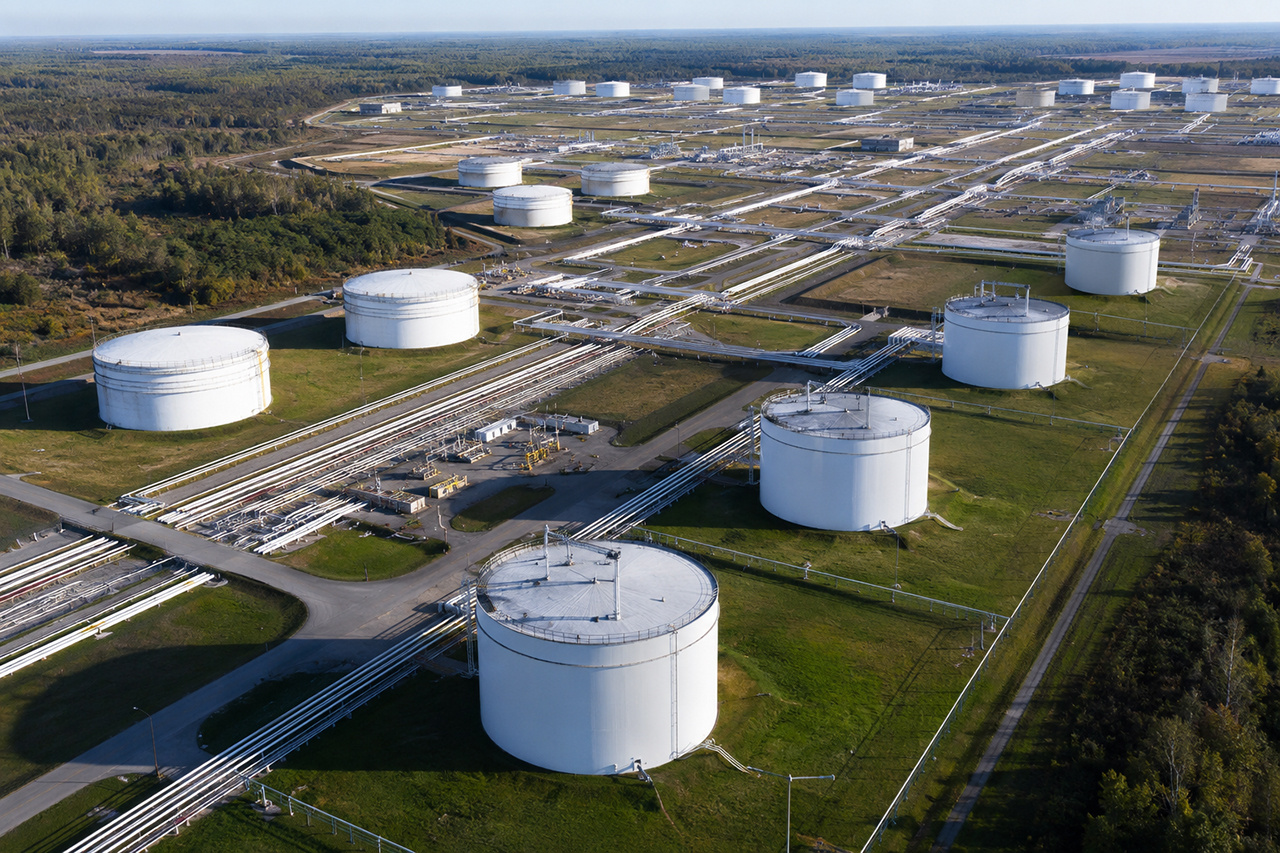
Over the last decade, industrial automation has become significantly more connected. Remote sites that once transmitted only a handful of data points now generate far more operational data, and organizations are expected to monitor larger deployments with fewer people.
At the same time, very few organizations operate equipment from a single manufacturer. It is common to see Digi products working alongside equipment from companies such as Red Lion, Moxa, Ewon, and others across industrial automation environments. That is simply the reality of industrial automation today.
Managing a mixed environment is rarely the difficult part. The challenge is managing multiple software platforms that were never designed to work together.
If you have ever responded to an alarm at a remote site, you have probably experienced this firsthand. You review your SCADA system, check connectivity, open another application to review historical trends, launch remote access software, and finally connect to the device that needs attention. None of those steps are particularly difficult, but together they slow troubleshooting and make everyday operations more complicated than they need to be.
Built on Customer Feedback
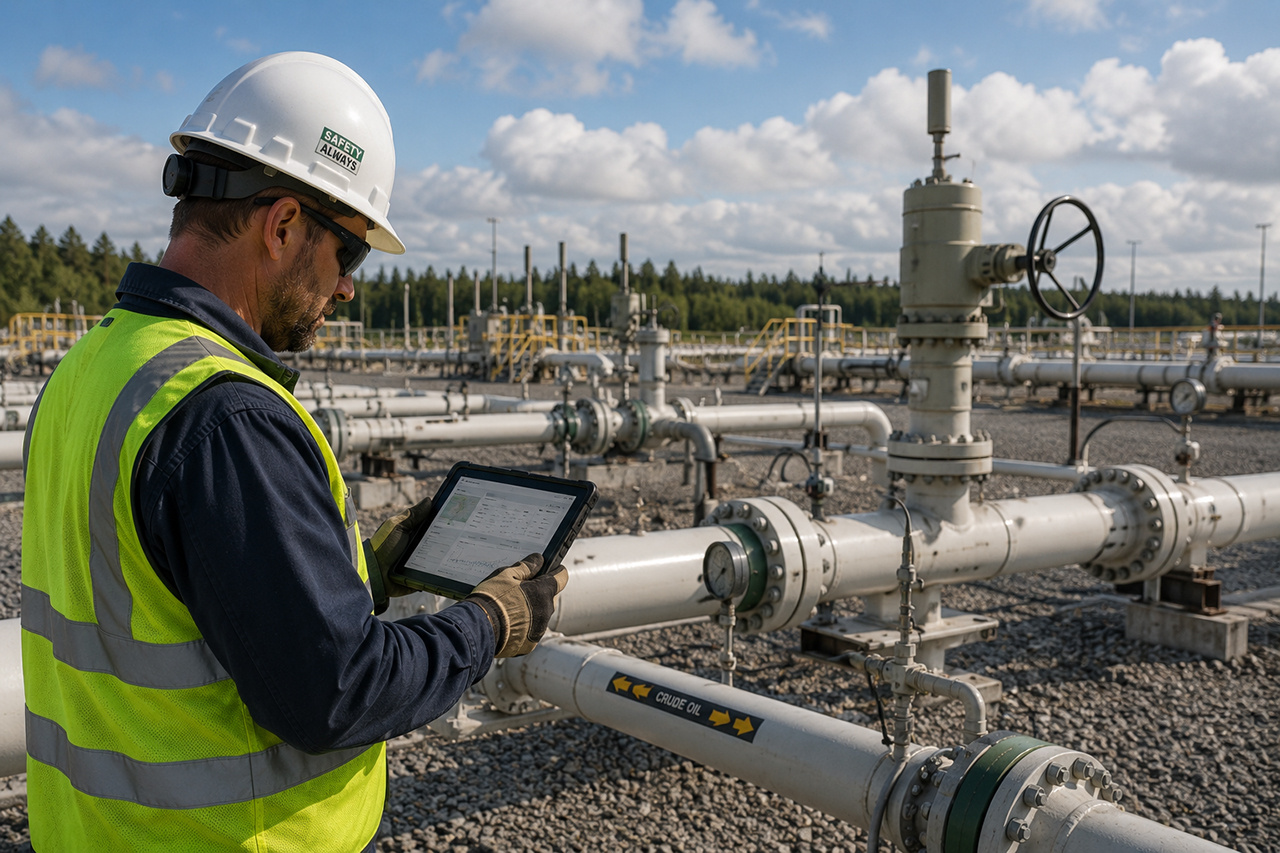
When our Infrastructure Management team began planning the latest Digi Axess enhancements, they did not start by asking what new features to add.
Instead, we spent time with customers, understanding how they used the platform every day.
The conversations were remarkably consistent. Customers were not asking for another dashboard or a long list of new capabilities. They wanted everyday tasks to be easier: simpler access to historical data, better visibility into cellular connectivity, and secure remote access without jumping between multiple applications. Above all, they wanted fewer tools to manage.
That feedback became the foundation for this release.
Making Industrial Remote Monitoring Easier to Manage
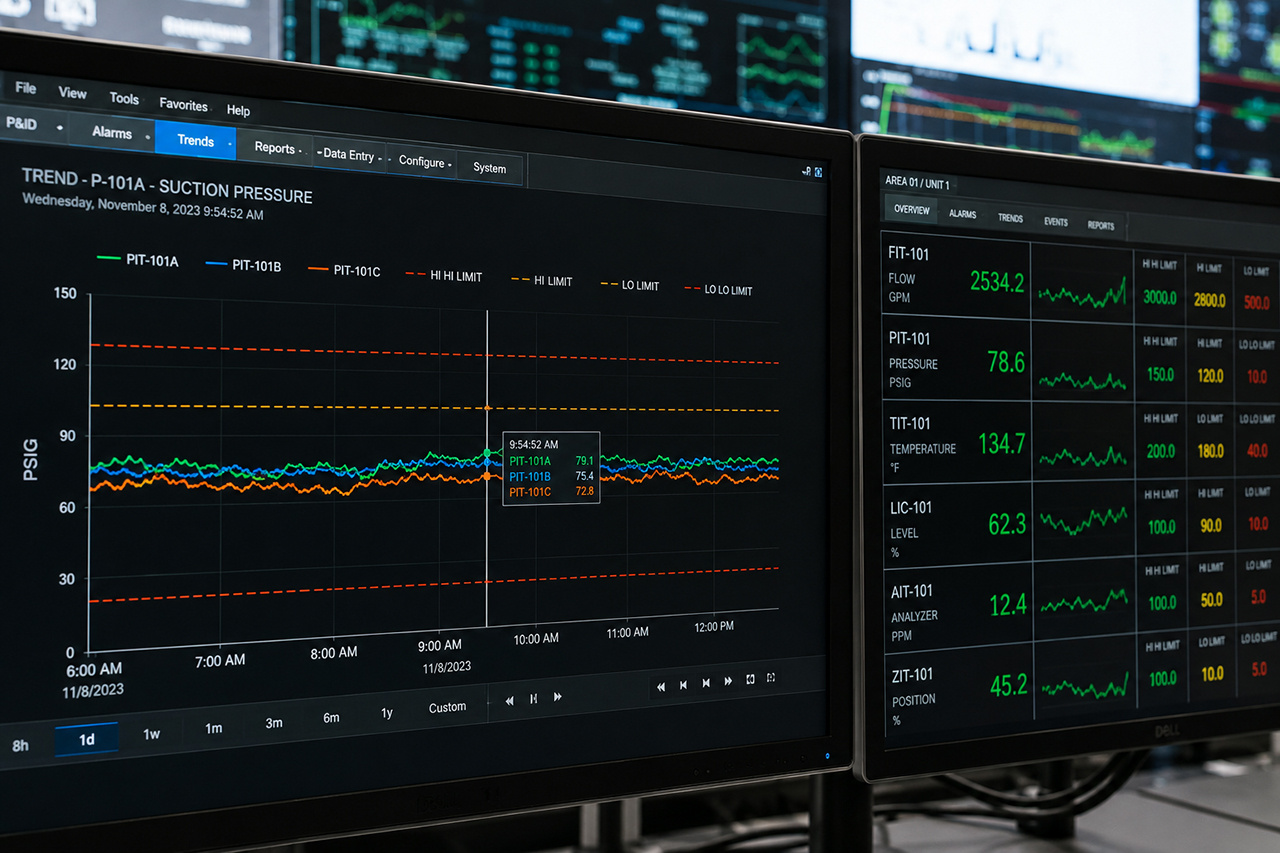
Each of the following capabilities was built to address a specific operational problem customers described.
Interactive Graphs
When something does not look right, operators often need to compare readings from multiple devices to determine whether they are looking at an isolated issue or a broader trend. In many systems, that still requires exporting data before any meaningful analysis can begin.
Interactive Graphs allow users to compare multiple data points directly within Digi Axess. Whether the focus is pump performance, tank levels, environmental sensors, or other industrial equipment, those comparisons can happen within the same interface. During our recent Digi Axess webinar, one attendee asked whether data could be compared across different locations. As long as those devices belong to the same Digi Axess group, they can be displayed together on a single graph.
Threshold History
An alarm tells you something happened, but knowing whether it has happened repeatedly often provides more useful information. Threshold History gives operators that additional context by showing how often alarm conditions have occurred over time. With Digi Axess storing up to one year of historical data, maintenance teams have a clearer picture of recurring issues when deciding what to address first.
Cellular Monitoring
For organizations using Digi-managed cellular data plans, Cellular Monitoring brings SIM status, ICCID, IMEI, IP address information, and connectivity details directly into Digi Axess. Operators can configure alerts when connectivity changes, allowing them to respond proactively before a communication problem affects operations.
Digi Axess VPN Link
Secure remote access was another area where customers wanted a simpler workflow. Rather than relying on separate VPN applications, Digi Axess VPN Link gives authorized users secure access to supported remote devices directly from the platform. Reducing the number of applications involved is a meaningful improvement, and for teams managing dozens or hundreds of remote sites, the time savings compound fast.
Third-Party Device Access
Industrial environments continue to become more diverse, and mixed-vendor deployments are a reality operators must plan for. When compatible third-party devices are connected through Digi infrastructure and provide their own web interface, Digi Axess can provide secure access to those devices as well. This means organizations do not necessarily need to add another management application simply because they have added another device to the network.
Automation Overview Mapping
Automation Overview Mapping makes it easier to visualize how physical inputs, virtual inputs, automation logic, and calculated outputs relate to one another. For teams responsible for maintaining complex automation, having that visibility in one place can significantly reduce troubleshooting time.
Battery Acknowledgement Monitoring
A battery disconnect does not always indicate a fault. Sometimes a technician intentionally disconnected power during scheduled maintenance. Battery Acknowledgement Monitoring lets operators record those maintenance events, making it easier to distinguish routine service from unexpected issues and reducing unnecessary investigation.
Real-World Remote Monitoring: Everything Operators Need, In One Place
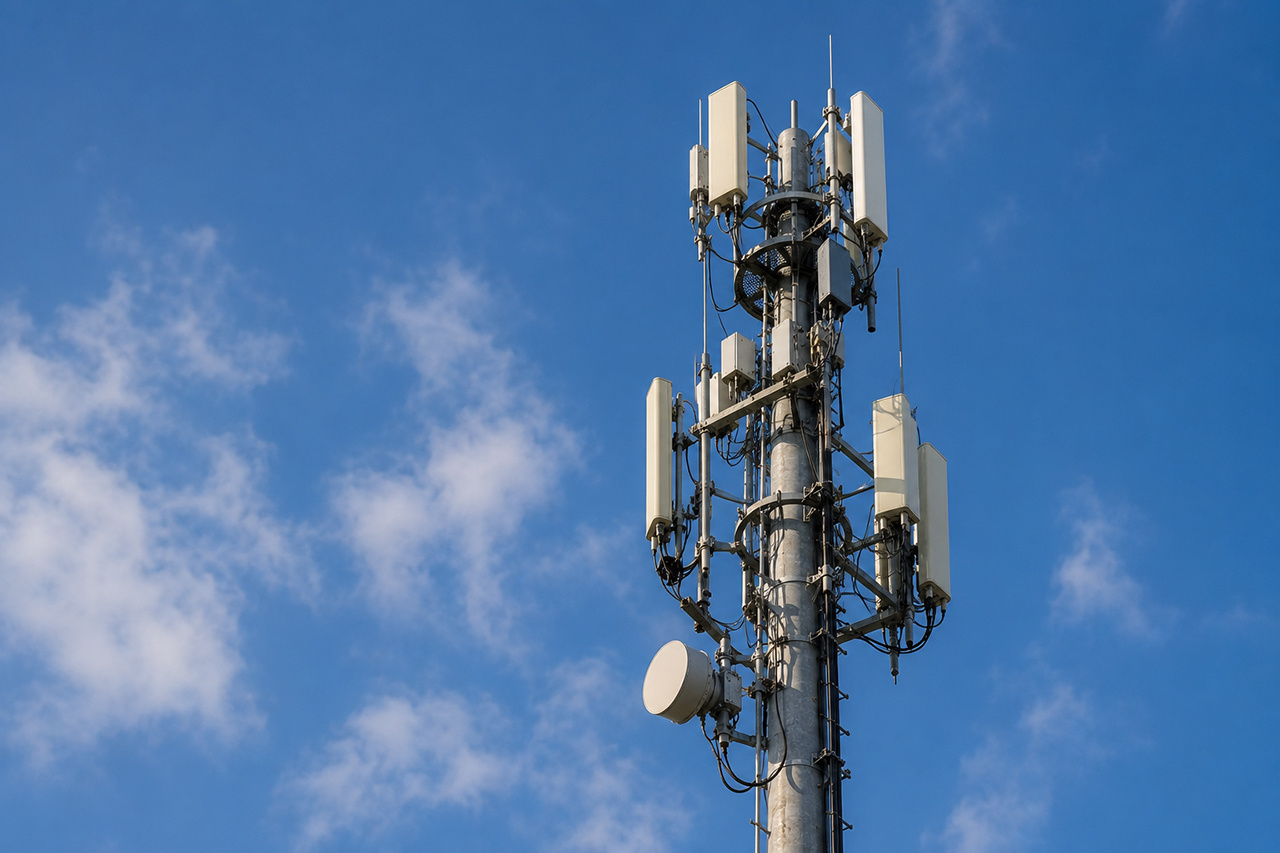
Going back to the GWI example: imagine an operator responsible for monitoring dozens of water towers spread across a large service area.
If a level sensor reports an abnormal reading, that operator needs more than an alarm. They need to compare historical readings, verify cellular connectivity, understand whether similar events have occurred before, and securely connect to the controller if adjustments are necessary.
The goal is not to collect more information. The goal is to make that information easier to find and easier to act on.
That is the thinking behind the latest Digi Axess enhancements. Rather than adding features for the sake of adding features, the focus was on reducing the number of steps customers perform every day. Comparing data within the platform, viewing cellular status alongside connected devices, and securely accessing equipment without switching applications all contribute to a simpler experience for the teams who keep remote infrastructure running.
Industrial remote monitoring will continue to evolve as more assets become connected and organizations adopt industrial IoT technologies. The software managing those deployments needs to keep pace.
The future is not about giving operators more applications to learn. It is about helping them accomplish more from a single platform.
Frequently Asked Questions
Can Digi Axess compare data across multiple remote sites?
Yes. Devices located at different sites can be compared as long as they belong to the same Digi Axess group. This makes it straightforward to identify trends across multiple locations without exporting data into spreadsheets.
How much historical data is available?
A standard Digi Axess subscription includes one year of historical data, giving operators the ability to review trends, investigate alarms, and support preventive maintenance across industrial remote monitoring deployments.
Does Cellular Monitoring work with every cellular provider?
Cellular Monitoring is available for Digi-managed cellular data plans. It provides visibility into SIM status, ICCID, IMEI, IP addresses, and account-level SIM details directly within Digi Axess.
Can Digi Axess notify me when a device loses connectivity?
Yes. Operators can configure alerts that notify them when a connected device goes offline or experiences a change in connectivity status.
What Digi hardware works with Digi Axess?
Can I remotely access third-party devices?
In many cases, yes. If a compatible third-party device has its own web interface and is connected through Digi infrastructure, it can be securely accessed through Digi Axess.
Are the new Digi Axess features included with my subscription?
Yes. All seven capabilities introduced in the latest Digi Axess release are included with a standard Digi Axess subscription.
What industries use Digi Axess?
Digi Axess supports organizations across water and wastewater, industrial automation, manufacturing, oil and gas, environmental monitoring, utilities, remote telemetry, and smart infrastructure. These industries rely on Digi Axess to simplify industrial remote monitoring, secure remote access, and industrial IoT management from a centralized platform.
Learn More
The latest Digi Axess enhancements reflect what we have heard from customers over the past year. By simplifying common operational tasks and bringing more information into a single platform, Digi Axess helps organizations spend less time navigating software and more time supporting the critical infrastructure their communities and businesses depend on.
To learn more, watch the What's New in Digi Axess webinar or explore how Digi Axess helps organizations simplify industrial remote monitoring, secure remote access, and industrial automation.