Your serial devices are still doing their job.
They're reading sensors, controlling PLCs, monitoring pressure lines. They've been running for a decade — sometimes two — and they haven't missed a beat.
So, why is everyone talking about replacing them?
The short answer: they don't have to.
The real conversation isn't about replacing legacy equipment. It's about connecting it to the modern infrastructure that now exists around it — securely, reliably, and at a fraction of the cost of a full rip-and-replace.
That's exactly what serial-to-Ethernet conversion makes possible.
Get Our Solution Brief
Move from legacy systems to leading edge
Download PDF
The Problem with Legacy Serial Infrastructure
Industrial environments are full of RS-232, RS-422, and RS-485 serial devices — and for good reason. Serial communication is simple, robust, and battle-tested. Programmable logic controllers (PLCs), meters, RTUs, and sensors built on serial protocols have lifespans measured in decades, not product cycles.
But that longevity comes with a connectivity gap.
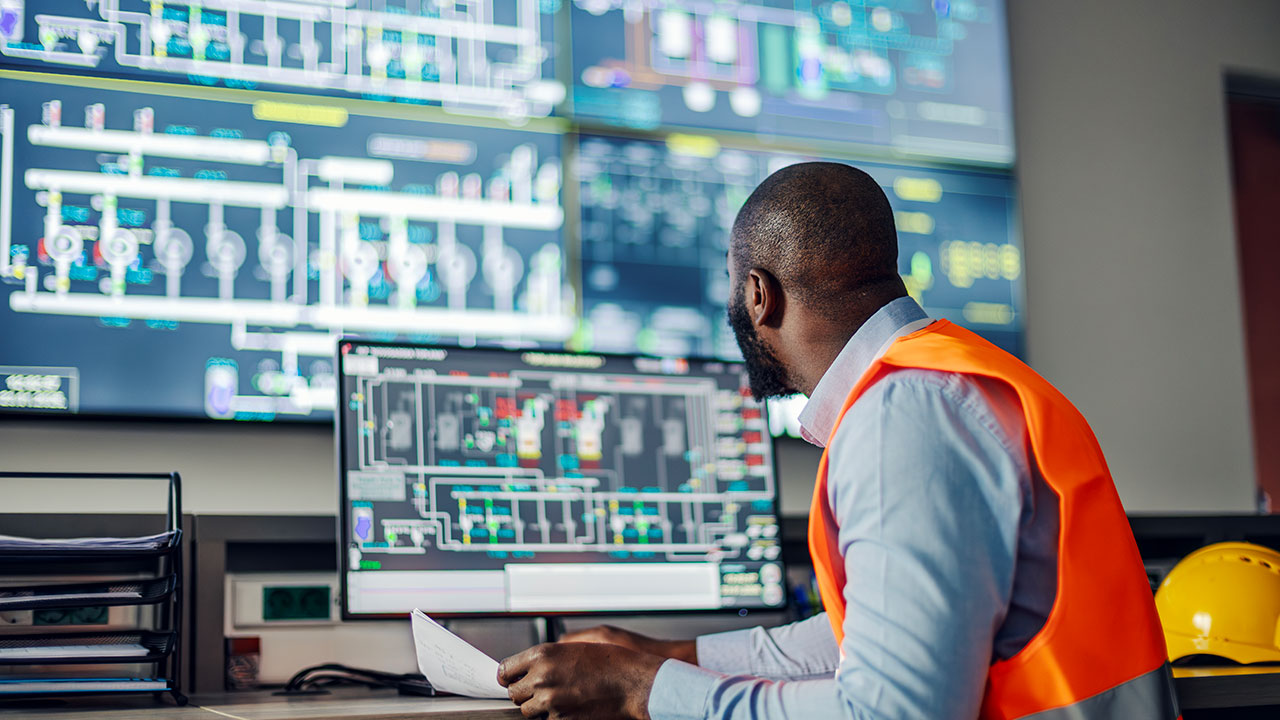
Serial devices were originally wired directly to a local PC or server. That worked fine when everything was on-site and physical access was assumed. Today, it creates a problem: those devices are effectively invisible to modern networks.
No remote visibility. No centralized management. No way to diagnose an issue from anywhere but the machine itself.
That means when something goes wrong — a tripped alarm at a remote substation, a communication error on a manufacturing line — someone has to drive there. In industrial operations, that's not just inconvenient. It's expensive.
How Serial-to-Ethernet Conversion Supports Modernization
A serial-to-Ethernet converter is a device server that bridges the gap between legacy serial equipment and modern IP networks.
Instead of a serial cable running into a local PC, it runs into the device server. That server then communicates over Ethernet — or cellular — to the rest of your network, to the cloud, or to a centralized management platform.
From the serial device's perspective, nothing has changed. The protocol, the communication parameters, the behavior — it all stays the same.
From your network's perspective, that device is now connected, addressable, and manageable like any other IP endpoint.
That's the core value: you get modern connectivity without touching the equipment that's already working.
The Real Cost of a Truck Roll
Before evaluating any modernization solution, it's worth anchoring to a concrete number.
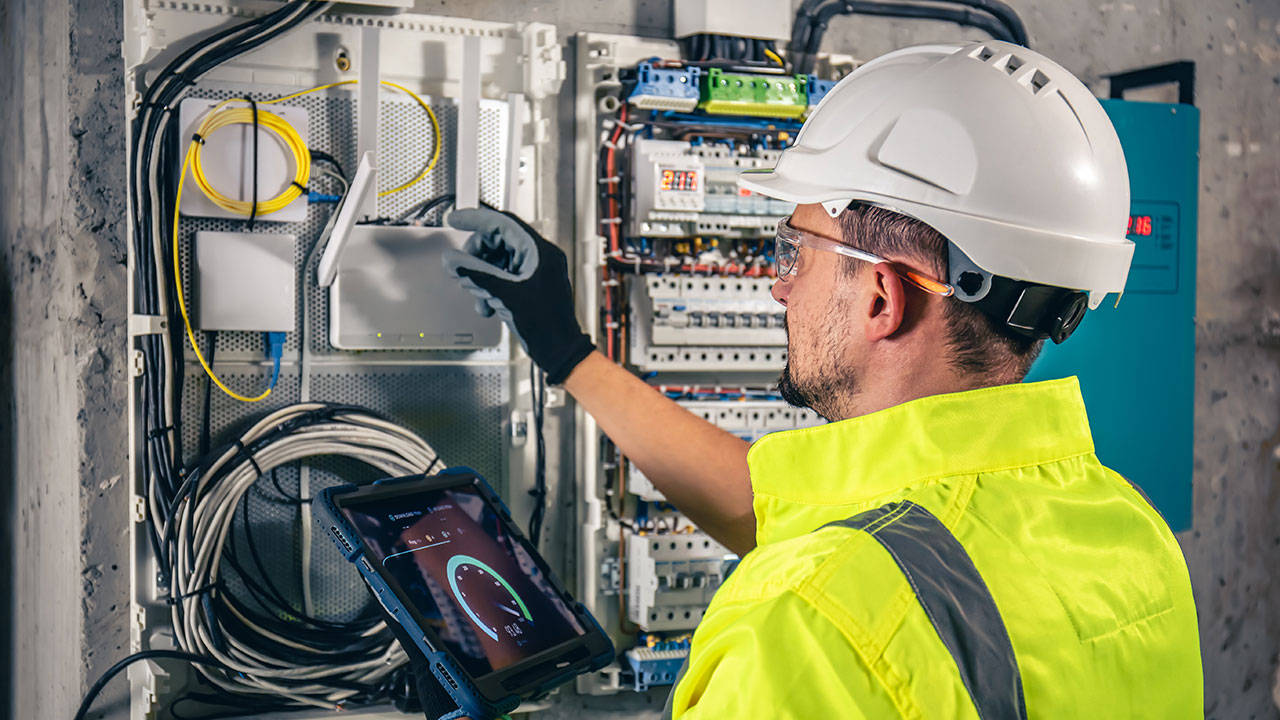
What does it actually cost when something goes wrong at a remote site and a technician has to drive out?
For some operations, it's a few hundred dollars in labor and travel time. For others — utilities, oil and gas, large-scale manufacturing — unplanned downtime can run into the thousands or tens of thousands of dollars per hour. Some organizations have put that number at $100,000 per minute when production-critical equipment goes offline.
That context matters when evaluating serial-to-Ethernet infrastructure. When a $200 device server means a technician can triage a serial device remotely instead of getting in a truck, the ROI calculation tends to resolve itself quickly.
How It Works: A Practical Walkthrough
Deploying a serial-to-Ethernet converter is simpler than most teams expect.
The physical change is minimal. Instead of the serial cable from your device plugging into a local PC or server, it plugs into the device server. From there, the device server connects to your network via Ethernet — or via cellular if the site lacks reliable wired connectivity.
On the host side, you have options depending on your architecture:
- Digi RealPort installs a virtual COM port driver on your server, so existing software sees the serial device exactly as it always did. No application changes required.
- TCP socket or UDP modes work for environments where traffic needs to be transported to a specific endpoint.
- Modbus and EtherNet/IP modes support native protocol translation directly on the device, without requiring a separate gateway.
With tools like Digi Navigator, configuration is automated. Discovery, device setup, and host-side configuration can be completed in 10 to 15 minutes per device once cabling is in place. For teams deploying at scale, that repeatability matters.
Security: The Gap Most Legacy Deployments Have
Here's something that doesn't get enough attention in conversations about serial modernization: older serial infrastructure was often deployed without encryption.
That wasn't negligence. It was context. Air-gapped environments with physical security controls had a different threat model than what exists today. Operational technology (OT) networks are increasingly connected — to business LANs, to cloud platforms, to remote access tools — and the attack surface has grown with that connectivity.
When serial traffic moves over TCP, UDP, or virtual COM port connections today, it should be encrypted. Modern serial device servers support TLS 1.2 and TLS 1.3 by default, ensuring that data in transit is protected whether it's traveling across a local network or through a cellular VPN tunnel.
This is one of the most meaningful differences between newer device servers and the equipment they're replacing. Encryption is on by default — not an afterthought.
Redundancy: What Happens When the Primary Connection Goes Down?
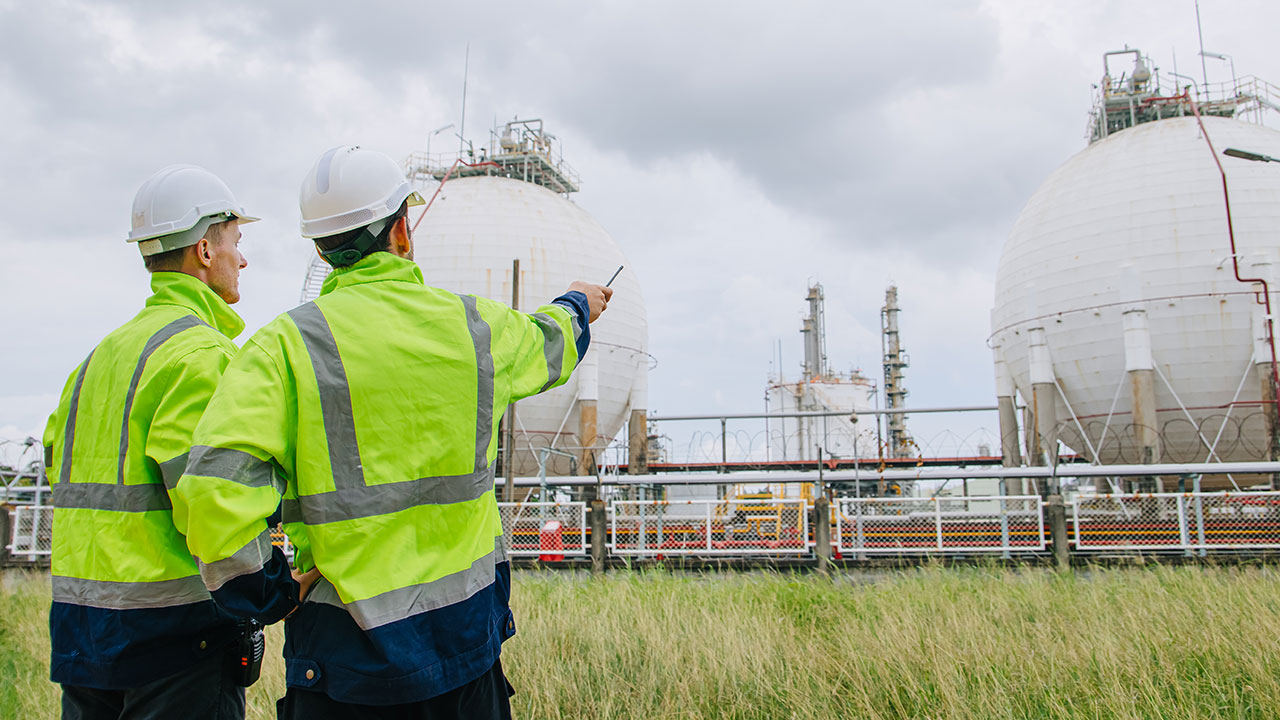
Connectivity at remote industrial sites is rarely perfect. Wired internet connections fail. Cellular signals fluctuate. And when the primary link goes down, visibility into that site goes dark.
Modern serial device servers address this with built-in failover capabilities.
Digi SureLink, for example, continuously monitors the primary internet connection by watching a configured target — a specific IP address, a website, or the network interface itself. If connectivity drops, SureLink automatically switches to a backup path. That backup can be a secondary Ethernet connection or a cellular connection via an integrated CORE module.
For environments with redundant networks, Ethernet bonding provides seamless failover between physical interfaces without a visible disconnection to the devices or applications depending on that link.
The result: when the primary path fails, operations continue — and the team knows about it before a technician has to investigate.
Supported Protocols: Beyond Basic Serial
A common concern when evaluating serial-to-Ethernet conversion is protocol compatibility. Industrial environments rely on a wide range of communication standards, and a device server that only handles raw serial traffic may not be enough.
Digi Connect EZ product line supports:
- Modbus (native translation)
- EtherNet/IP (native translation)
- Allen-Bradley PLCs
- PROFINET
- DNP3 (as a transport layer to an endpoint that handles translation)
For organizations running mixed protocol environments — a common reality in manufacturing and utilities — this flexibility eliminates the need for separate protocol converters at each site.
Cloud or On-Premises: Your Choice
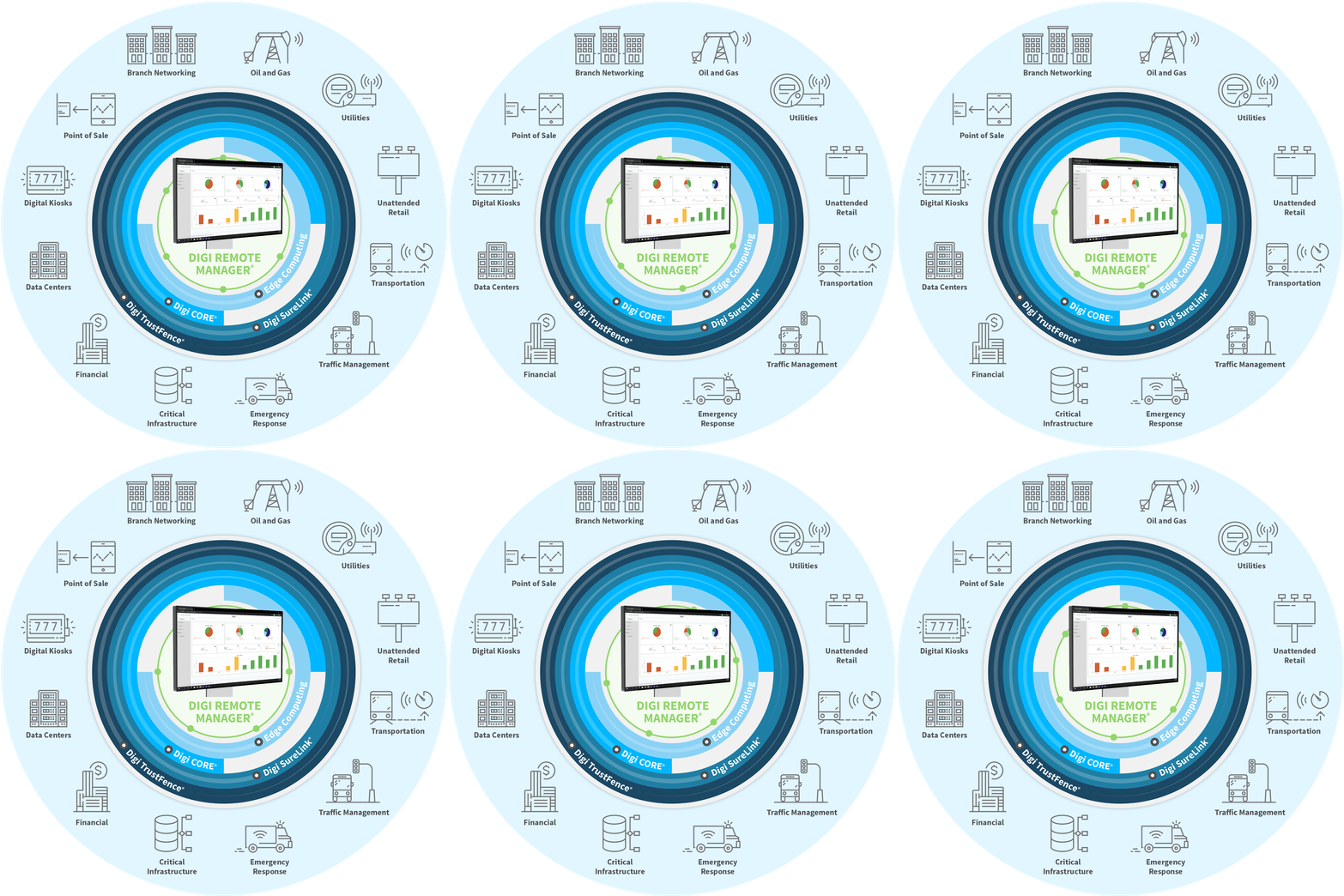 Not every industrial environment can connect to the internet. Air-gapped production floors, utility substations, and oil and gas facilities often have strict requirements that prohibit cloud connectivity.
Serial-to-Ethernet modernization doesn't require choosing one model or the other.
Digi Remote Manager provides cloud-based centralized visibility, configuration management, and monitoring for environments where internet connectivity is available.
For air-gapped environments, an on-premises management option delivers the same centralized visibility and control without requiring any external connectivity. Devices on the production floor, in secure OT zones, or behind strict network boundaries can still be managed centrally — just from within the facility's own infrastructure.
Building a Phased Modernization Plan
The most effective industrial modernization efforts don't try to do everything at once.
A phased approach — starting with a proof of concept at one site, validating the deployment process, then scaling — reduces risk and builds internal confidence before committing to a full rollout.
A typical phased plan looks like this:
Phase 1 — Proof of concept: Select one site or one class of device. Deploy a serial device server, configure connectivity, and validate that remote visibility and management work as expected. Measure the time and cost to deploy.
Phase 2 — Pilot expansion: Scale to a handful of additional sites. Use the learnings from Phase 1 to refine configuration templates, streamline deployment with tools like Digi Navigator, and establish a repeatable process.
Phase 3 — Full rollout: Deploy at scale using the validated process. Centralized management platforms like Digi Remote Manager allow the entire fleet to be monitored and managed from a single interface.
The key is to start somewhere. A pilot deployment that demonstrates remote triage capability — even at a single site — typically generates enough ROI data to justify the broader program.
What This Means for Your Operations
If you're responsible for keeping industrial infrastructure running, you're balancing three things at once: uptime, budget, and the pressure to modernize.
Serial-to-Ethernet conversion addresses all three without forcing tradeoffs.
- Uptime improves because remote access means faster triage, faster resolution, and fewer truck rolls.
- Budget is protected because existing equipment keeps running — replacement is deferred or eliminated.
- Modernization happens because those serial devices are now connected, visible, and manageable alongside the rest of your network.
The equipment you already have doesn't have to hold you back. With the right connectivity layer in place, it becomes part of your modern infrastructure — not a liability.
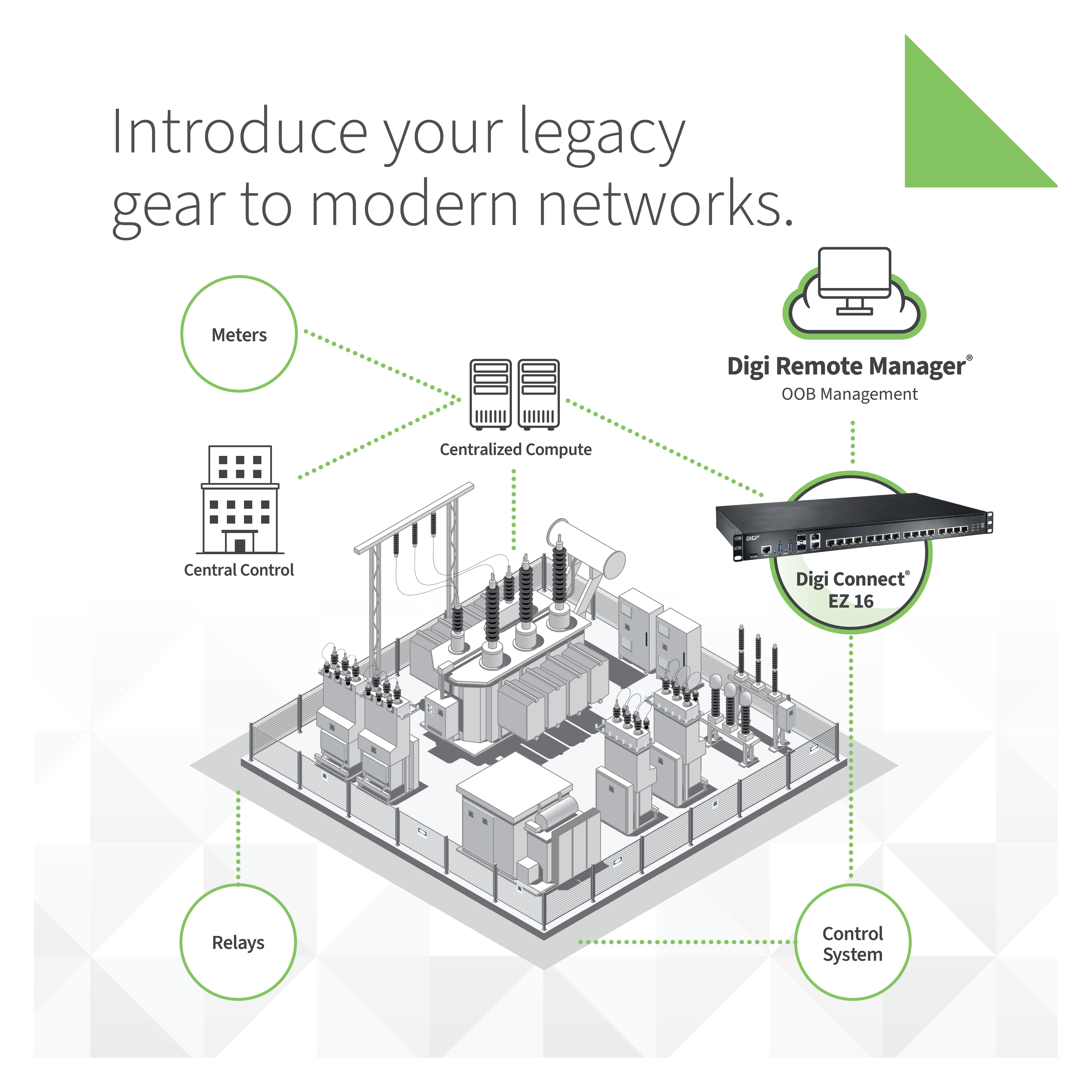
The Bottom Line
Serial-to-Ethernet conversion is one of the most practical tools available for industrial modernization.
It doesn't require capital replacement. It doesn't disrupt existing operations. And it delivers the remote visibility, centralized management, and security that modern industrial environments require.
The Digi Connect EZ product line is purpose-built for exactly this challenge — with support for the protocols, configurations, and management platforms that industrial teams rely on.
Ready to Connect Your Legacy Devices?
If you're managing serial infrastructure in industrial, utility, manufacturing, or oil and gas environments, Digi can help you build a practical path to modernization.
FAQ: Modernizing Infrastructure with Serial-to-Ethernet Conversion
How does a serial-to-Ethernet converter help modernize legacy infrastructure?
A serial-to-Ethernet converter (also called a device server) is a networking device that connects legacy serial equipment to modern IP-based networks.
It allows industrial devices that communicate over RS-232, RS-422, or RS-485 serial protocols to send and receive data over Ethernet or cellular networks without changing the original equipment or software.
This makes it possible to remotely monitor, manage, and troubleshoot older infrastructure using modern networking tools.
Why are Ethernet-to-serial converters important for industrial modernization?
Many industrial environments still rely on serial-based infrastructure because the equipment is reliable, durable, and expensive to replace. The challenge is that older serial devices were never designed for remote access or centralized management.
Ethernet-to-serial converters solve this problem by bridging legacy serial communication with modern IP networks.
Instead of replacing functioning PLCs, RTUs, meters, or sensors, organizations can modernize incrementally by adding connectivity. This enables:
- Remote monitoring and diagnostics
- Centralized device management
- Cloud or on-premises visibility
- Faster troubleshooting
- Reduced truck rolls and downtime
- Improved cybersecurity through encrypted communications
In short, Ethernet-to-serial conversion extends the life of existing infrastructure while enabling modern operational capabilities.
Can I modernize legacy serial devices without replacing them?
Yes. In many cases, replacing legacy industrial equipment is unnecessary and cost-prohibitive.
Serial-to-Ethernet infrastructure allows organizations to preserve existing devices while integrating them into modern operational technology (OT) and IT environments. Since the serial protocols and device behavior remain unchanged, the modernization process is minimally disruptive.
This approach is especially valuable for utilities, manufacturing facilities, oil and gas operations, and transportation infrastructure where uptime is critical.
What types of legacy devices can be connected using serial device servers?
Serial device servers are commonly used with:
- PLCs
- RTUs
- Industrial sensors
- SCADA equipment
- Utility meters
- Barcode scanners
- Environmental monitoring systems
- CNC machines
- Building automation controllers
- Alarm panels
Any equipment using RS-232, RS-422, or RS-485 communication may be a candidate for serial-to-Ethernet modernization.
Do I need to change my existing serial devices or software when modernizing infrastructure with Digi serial servers?
No. With Digi RealPort, a virtual COM port driver is installed on the host server so existing applications see the serial device exactly as before. No changes to the device or application are required.
What industrial protocols does Digi Connect EZ support?
Digi Connect EZ supports industrial serial connectivity using protocols such as Modbus, TCP/UDP socketing, RFC-2217, serial tunneling, and Digi RealPort COM port redirection. It is designed to transport serial communications securely over IP networks without requiring changes to legacy devices or applications.
How is serial-over-IP secured?
Modern serial device servers like Digi Connect EZ encrypt communications using TLS 1.2 and modern encrypted communications protocols, protecting serial traffic whether it travels over a local network or through a cellular VPN.
Can Digi Connect EZ work at sites without reliable Internet?
Yes. Digi Connect EZ devices can include a cellular CORE module for sites without wired connectivity, and Digi SureLink provides automatic failover if the primary connection drops.
Is cloud connectivity required for serial modernization?
No, cloud connectivity is not required to modernize serial infrastructure. Serial-to-Ethernet infrastructure can be deployed in cloud-connected environments or fully on-premises environments depending on operational and security requirements.
Organizations operating air-gapped or highly regulated networks can still use centralized on-premises management platforms to monitor and manage serial device servers without exposing infrastructure to the public Internet.