Private cellular network security is becoming a top priority for utilities and critical infrastructure operators. As grids grow more distributed and connected, organizations need a secure, controlled way to manage communications across vast service areas. Public networks alone often cannot meet these demands.
Insights from a Digi webinar on future-proofing utility networks highlight a clear trend. Private cellular networks, combined with eSIM and modern device management, give utilities the control, resilience and security they need to move forward with confidence.
Jump to:
Get Our White Paper
Learn about private cellular networks
Download PDF
 Utilities are facing rapid change. Distributed energy resources, electric vehicle charging, wildfire mitigation and smart grid initiatives all increase the number of connected endpoints in the field.
At the same time, IT and operational technology environments are converging. This creates new exposure points and expands the attack surface. Moving from isolated systems to connected environments introduces new security concerns that must be addressed early in any deployment.
Private cellular networks address these challenges by giving utilities:
- Full control over network access and policies
- Dedicated spectrum for mission-critical traffic
- Isolation from public network congestion and threats
- Deterministic performance for critical applications
This level of control is essential for maintaining both operational continuity and regulatory compliance.
Building a secure private cellular network requires more than spectrum and connectivity. It depends on a layered approach that spans infrastructure, devices and management.
Network Control and Isolation
Private LTE and 5G networks allow utilities to operate as their own mobile network operator. This means they control who connects, how data flows and how traffic is prioritized.
Unlike public networks, where resources are shared, private networks provide a dedicated environment. This reduces exposure to external threats and improves reliability during high-demand events such as storms or wildfires.
Device-level Security
Endpoints are often the weakest link in any network. Devices deployed in the field must support strong, built-in security features.
Modern cellular routers include capabilities such as:
- Secure boot and encrypted storage
- Authentication and access control
- Port and interface protection
- Support for industry certifications and standards
These features help ensure that only trusted software runs on the device and that data remains protected at rest and in transit.
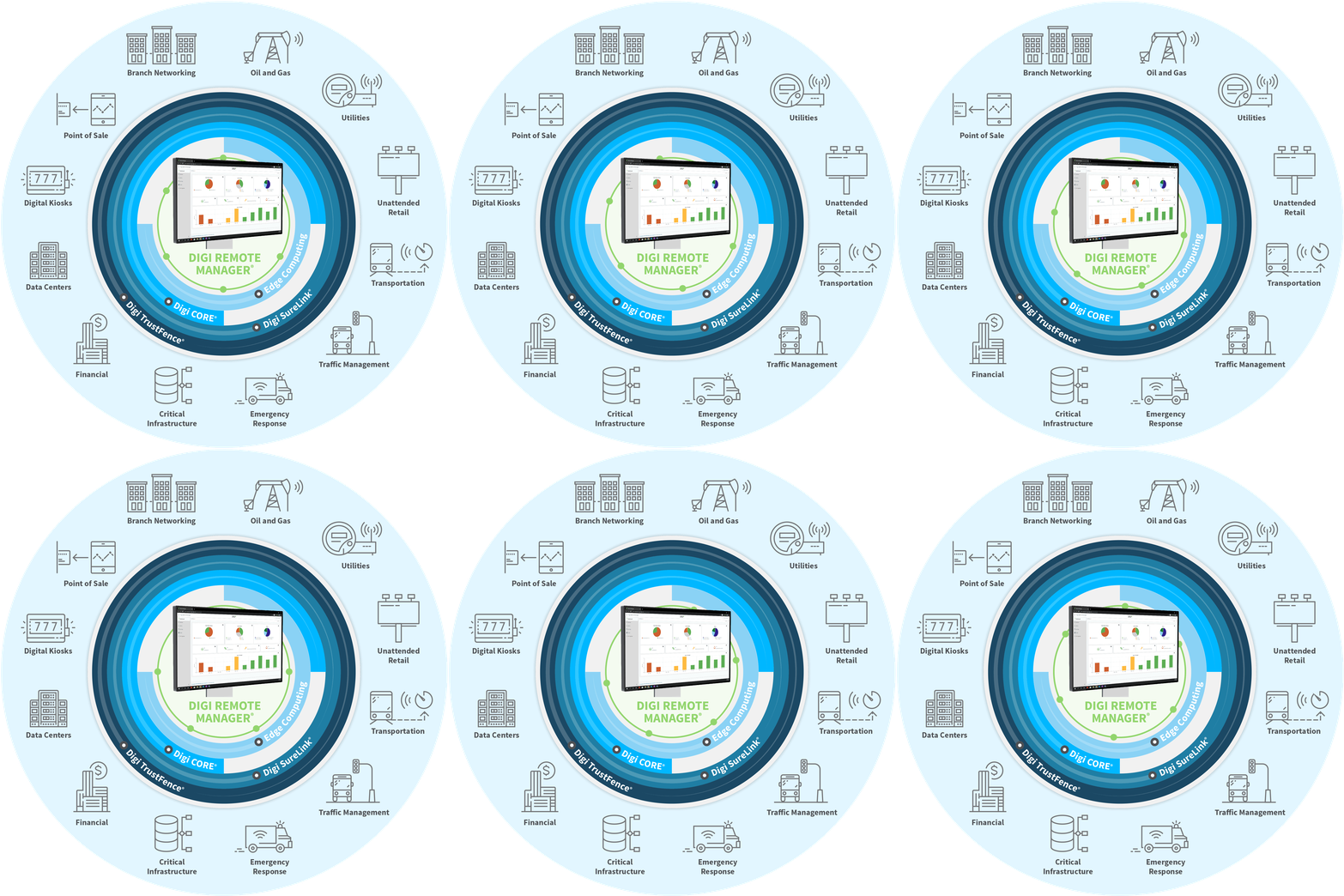 Secure Remote Management
Centralized management plays a critical role in private cellular network security. Without it, organizations cannot maintain visibility or enforce policies across thousands of endpoints.
Digi Remote Manager (DRM) provides a secure platform to configure, monitor and update devices at scale. This reduces the need for on-site intervention and helps maintain a consistent security posture across the network. With SOC 2 Type 2 attestation, complete integration with Digi cellular router solutions via Digi 360, and a range of add-on features to support rapid containerized application development, edge intelligence, critical uptime requirements and more, DRM supports the most mission critical, scalable application requirements.
Infrastructure is only as secure as the devices connecting it. This is where the Digi IX25 cellular router helps power private cellular network security.
The Digi IX25 cellular router is purpose-built for utility and industrial environments, combining secure connectivity, edge intelligence and flexible deployment options in a compact design. It supports private LTE and 5G networks while also enabling seamless fallback to public carriers when needed.
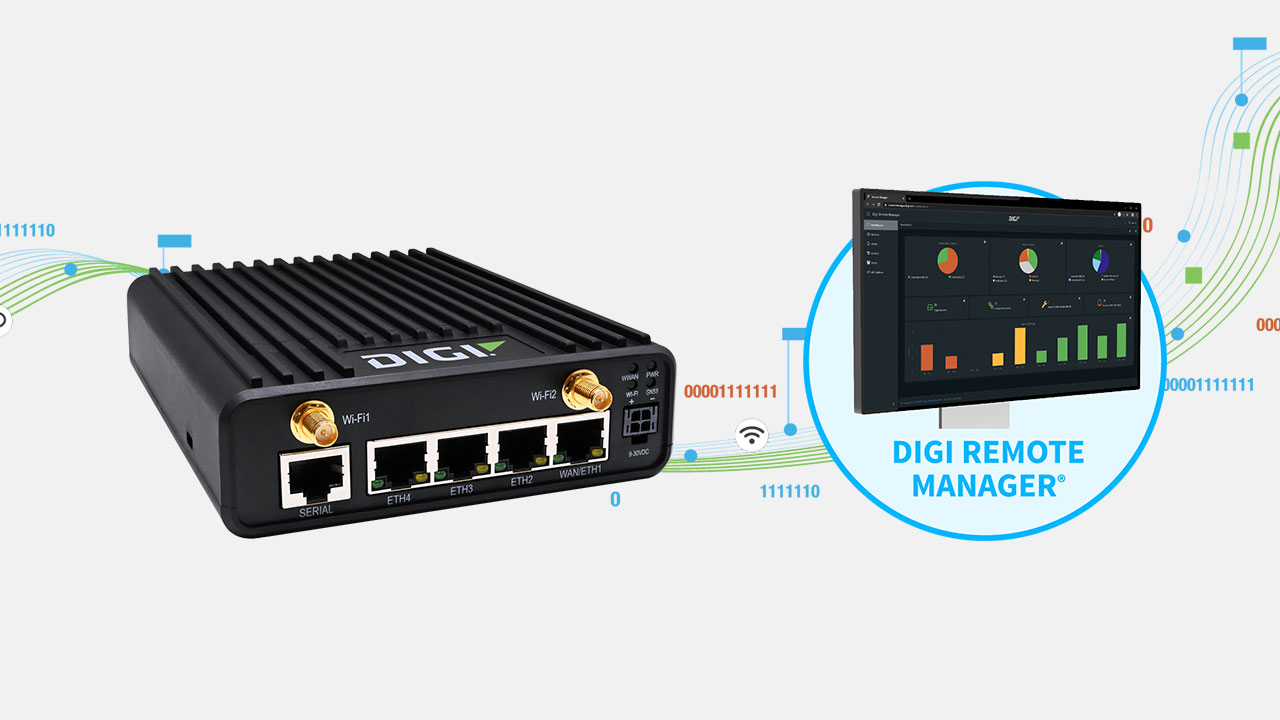 Key capabilities that support secure private cellular deployments include:
- Embedded eSIM support that enables remote profile provisioning and secure switching between private and public networks
- Built-in security framework with features such as secure boot, encrypted storage and device authentication
- Integration with Digi Remote Manager for centralized visibility, configuration and updates
- Resilient connectivity options with multi-profile failover and network prioritization
- Edge compute support that allows you to run security applications and custom logic at the edge
By combining these capabilities, Digi IX25 helps utilities deploy private networks that are secure, scalable and adaptable over time.
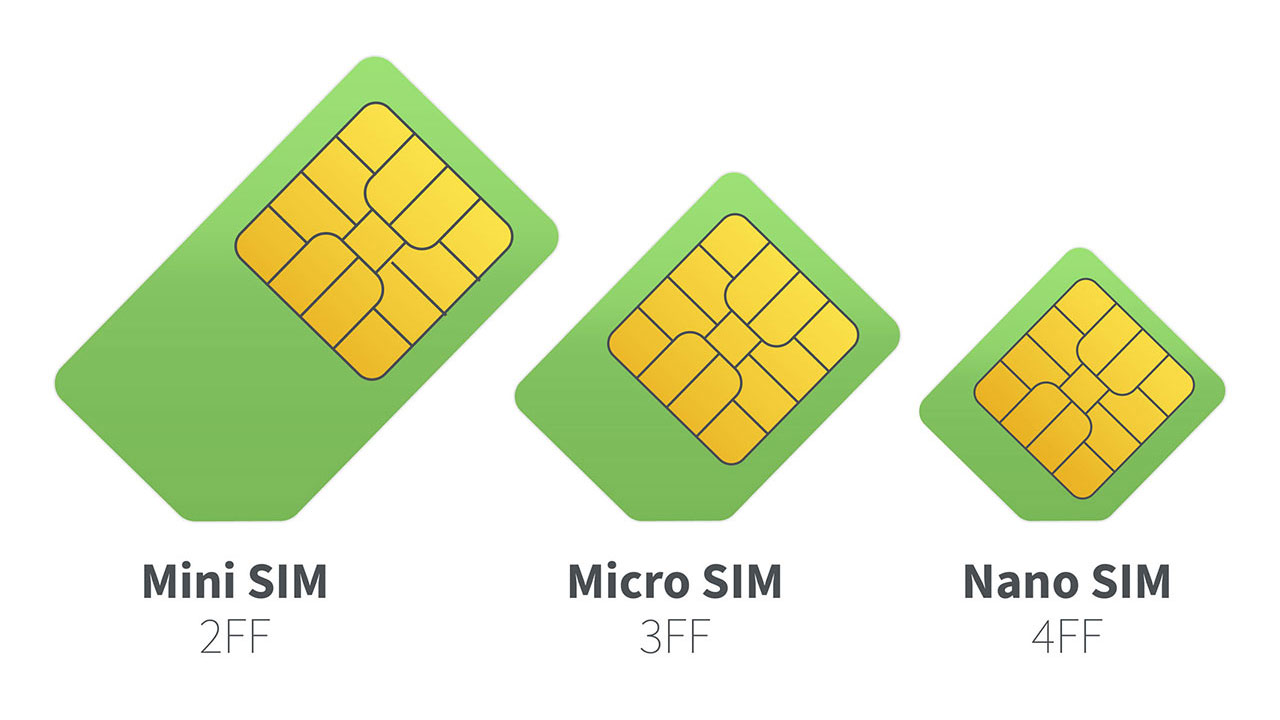 eSIM technology is a key enabler of secure private cellular deployments. It removes many of the risks and inefficiencies associated with traditional SIM cards.
In large-scale deployments, manually managing SIM cards can delay projects and introduce vulnerabilities. One utility reported that SIM provisioning became a major bottleneck in its network rollout.
Digi supports eSIM across many of its cellular routers, including the Digi IX25 cellular router. These capabilities, combined with Digi Remote Manager, allow organizations to securely provision, update and manage connectivity profiles over the air without touching the device.
Benefits of eSIM include:
- Remote provisioning: Load and update profiles over the air without physical access
- Carrier flexibility: Switch between private and public networks as needed
- Reduced handling risk: Eliminate physical SIM swaps that can expose devices
This approach supports a more secure and efficient deployment model, especially for geographically dispersed assets.
Security is not a one-time decision. It must evolve alongside the network.
Private cellular networks built on 3GPP standards provide a clear path from LTE to 5G and beyond. This ensures long-term compatibility and reduces the risk of obsolescence.
Utilities also benefit from:
- Long device lifecycles aligned to 10+ year deployments
- Adaptability to support new applications and evolving security requirements
- Scalability to add capacity and features over time
This flexibility is critical in an environment where requirements continue to change.
Private cellular network security directly supports critical use cases across utility operations.
Some of the most common applications include:
- Advanced metering infrastructure for secure, bidirectional communication
- SCADA systems for reliable monitoring and control
- Wildfire mitigation for real-time monitoring and response
- Distributed energy resource management for decentralized generation
- Situational awareness using sensors, video and analytics
Each of these applications requires secure, always-on connectivity. A failure in communication can lead to safety risks, service disruptions or compliance issues.
Operational efficiency and security often go hand in hand. Reducing manual processes lowers costs and minimizes human error.
Technologies such as zero-touch provisioning and automated failover help utilities maintain secure operations at scale. Devices can connect using a bootstrap profile, receive preferred configurations remotely and switch networks when needed to maintain uptime.
This level of automation helps ensure devices remain connected and secure without constant intervention.
A strong private cellular network security strategy combines multiple layers of protection. Organizations should focus on:
- Engaging security teams early in the deployment process
- Using standards-based technologies
- Maintaining real-time visibility across devices and networks
- Designing for redundancy and failover
- Managing the full device lifecycle with ongoing updates
Security is often the longest and most complex part of deployment planning. Addressing it early helps avoid delays and reduces long-term risk.

Private Cellular Network Security as a Strategic Advantage
Private cellular network security is no longer optional for utilities. It is a foundational requirement for modern grid operations.
By combining private spectrum, secure devices, eSIM technology and centralized management, organizations can build networks that are more resilient, easier to manage and better protected against evolving threats.
As utility networks continue to evolve, private cellular networks provide a path to greater control, improved resilience and long-term flexibility.
What is a secure private cellular network for utilities?
A secure private cellular network is a dedicated LTE or 5G wireless network that utilities own or control to support mission-critical communications. Unlike public cellular networks, private networks provide isolated connectivity, enhanced security controls, deterministic performance and greater operational visibility for utility applications such as SCADA, AMI, DER management and wildfire mitigation.
Why are utilities investing in private LTE and private 5G networks?
Utilities are modernizing grid operations to support distributed energy resources, electric vehicle infrastructure, automation and real-time monitoring. Private LTE and private 5G networks help utilities improve reliability, strengthen cybersecurity and maintain operational continuity across geographically dispersed assets. These networks also reduce dependence on congested public networks during emergencies or high-demand events.
How do private cellular networks improve utility cybersecurity?
Private cellular networks improve security by giving utilities full control over network access, traffic prioritization and device authentication. Utilities can isolate mission-critical communications from public internet traffic while enforcing strict policies for connected devices and applications. Combined with secure routers, encrypted communications and centralized management, private networks help reduce the attack surface across operational technology environments.
What are the biggest security risks utilities face with connected infrastructure?
Utilities face growing cybersecurity risks as IT and OT systems converge. Common threats include unauthorized network access, ransomware attacks, compromised field devices, unsecured remote connections and disruptions caused by network congestion. As more intelligent endpoints are deployed in the field, utilities need secure communications infrastructure that can scale while maintaining visibility and control.
What utility applications benefit most from private cellular networks?
Private cellular networks support a wide range of mission-critical utility applications, including:
- Advanced metering infrastructure (AMI)
- SCADA communications
- Distributed energy resource (DER) management
- Substation automation
- Wildfire detection and mitigation
- Fault detection and isolation
- Video surveillance and situational awareness
- Electric vehicle charging infrastructure
These applications require secure, resilient and always-on connectivity to maintain safe and reliable operations.
What is the difference between public and private cellular networks?
Public cellular networks are shared environments operated by commercial carriers, while private cellular networks are dedicated to a specific organization or operational environment. Private networks offer:
- Greater control over security and access policies
- Dedicated bandwidth for mission-critical traffic
- Reduced latency and congestion
- Enhanced reliability during emergencies
- Improved compliance and operational visibility
For utilities, these advantages are essential for maintaining uptime and protecting critical infrastructure.
How does eSIM technology improve private network security?
eSIM technology allows utilities to remotely provision and manage carrier profiles without physically replacing SIM cards. This improves security by reducing manual handling, simplifying deployments and enabling secure over-the-air profile updates. eSIM also provides flexibility to switch between private and public networks when needed for resiliency or failover.
Why is secure remote device management important for utilities?
Utility networks often include thousands of distributed endpoints across substations, renewable energy sites and remote infrastructure. Secure remote management platforms allow utilities to monitor device health, deploy firmware updates, enforce policies and troubleshoot issues without sending technicians into the field. This improves operational efficiency while maintaining a consistent cybersecurity posture across the network.
What security features should utilities look for in industrial cellular routers?
Utilities should look for industrial cellular routers that support:
- Secure boot and encrypted storage
- Device authentication and access control
- VPN and firewall capabilities
- eSIM support
- Remote management integration
- Zero-touch provisioning
- Multi-network failover
- Edge computing support
- Standards-based LTE and 5G connectivity
These capabilities help protect both the device and the broader utility network infrastructure.
How does the Digi IX25 cellular router support private cellular network security?
The Digi IX25 cellular router is designed for utility and industrial networking environments. It supports private LTE and 5G deployments while providing built-in security features such as secure boot, encrypted storage, device authentication and centralized management through Digi Remote Manager. Digi IX25 also supports eSIM technology, resilient connectivity and edge computing for secure utility operations at scale.
What role does private LTE play in smart grid modernization?
Private LTE enables secure, reliable communications across the modern smart grid. Utilities use private LTE networks to connect intelligent devices, automate grid operations, improve outage response and support distributed energy resources. By providing deterministic performance and dedicated spectrum, private LTE helps utilities modernize operations while maintaining security and reliability.
Next Steps