The digital transformation landscape is experiencing unprecedented growth, with connected devices revolutionizing operations across every industry imaginable. As we can see from the large and growing number of
Internet of Things examples today, the IoT has hit its stride. From manufacturing floors to smart cities, healthcare facilities to agricultural fields, IoT applications are driving efficiency, safety, and innovation at an extraordinary pace.
As industry leaders seek to harness this technological revolution, Digi International stands at the forefront, delivering cutting-edge connectivity solutions and device management platforms that power the most demanding Internet of Things applications worldwide.
How Is the Internet of Things Growing and Changing?
The number of IoT devices worldwide is projected to grow from over 21 billion today to more than 40.6 billion IoT devices by 2034. This tremendous growth is due to the maturity of supporting technologies, sensing capabilities, and robust high-speed networks, and signals that IoT devices support a vast and growing number of use cases across industries that benefit from remote insights, remote management and automation.
50 Examples of IoT Applications Across Industries
The Internet of Things represents a network of interconnected physical devices embedded with sensors, software, and network connectivity that enables them to collect and exchange data. This revolutionary technology is transforming traditional business operations by providing real-time insights, predictive capabilities, and automated responses across diverse industry sectors. Examples of IoT span from simple temperature sensors to complex industrial automation systems, each designed to optimize processes, reduce costs, and enhance decision-making capabilities.
The versatility of IoT examples demonstrates how this technology adapts to unique industry requirements while supporting improved efficiency and worker safety, and enhancing data-driven operational intelligence.
Let’s explore examples of the Internet of Things across various industries and use cases, including:
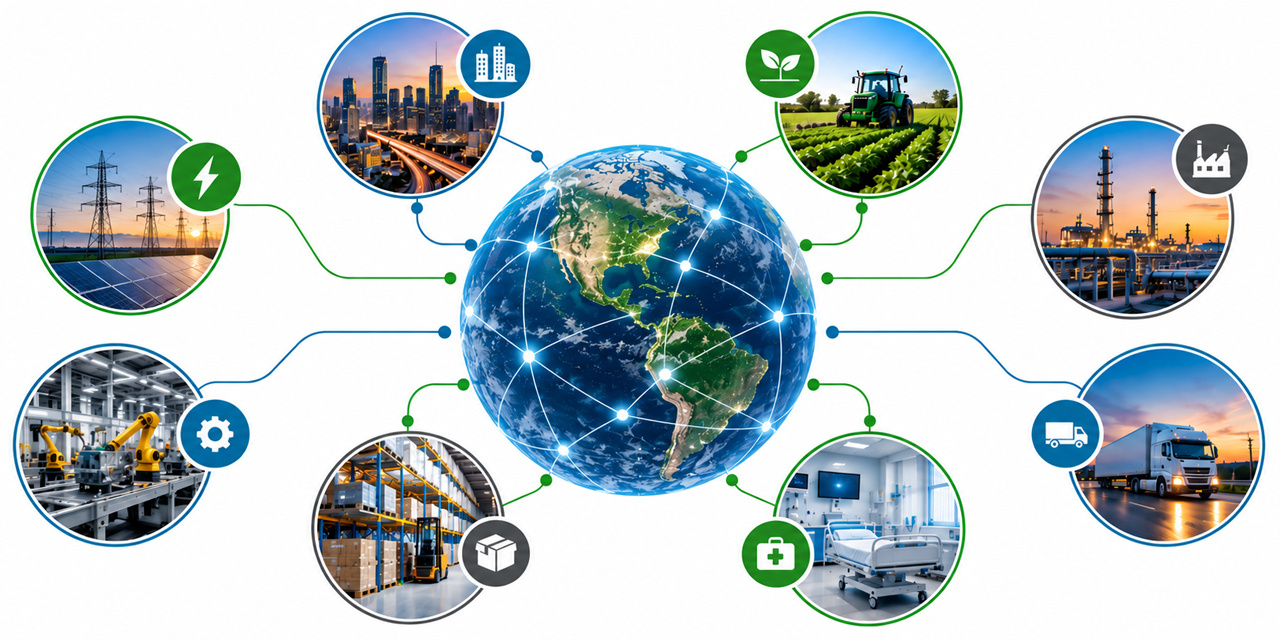 Cross-Industry Internet of Things Examples
In this section, we’ll look at some key examples of IoT applications that transcend individual sectors. These include:
Predictive maintenance is one of the most transformative IoT use case examples, using sensor data to anticipate equipment failures before they occur. This approach can reduce unplanned downtime by 30% to 50% while extending asset lifecycles through proactive intervention.
Examples of IoT devices in these systems include vibration sensors on motors and pumps, temperature and thermal imaging sensors, acoustic and ultrasonic sensors that detect bearing wear or leaks, oil quality sensors, and current sensors that monitor motor load. Edge gateways and cellular routers collect this data and send it to analytics platforms. Digi's industrial solutions provide the reliable connectivity these predictive maintenance systems need across manufacturing, oil and gas, and transportation.
Remote monitoring gives teams continuous oversight of critical operations from a central location, cutting on-site inspection costs by up to 40%. Examples of IoT devices include pressure and flow sensors, tank level monitors, GPS trackers, and IP cameras. Digi's cellular routers connect them reliably in challenging environments.
Table 1: Efficiencies and Improvements from IoT Enabled Remote Monitoring
| Reference Source |
Primary Asset Focus |
Stated Cost Reduction % |
Secondary Efficiency Gain |
| ResearchGate Meta-Analysis |
Infrastructure Construction Sites |
8% – 27% total cost savings |
Up to 35% time reduction |
| McKinsey & Company / Nordic Semiconductor |
Factory Machinery and Equipment |
Up to 40% maintenance reduction |
Up to 50% downtime reduction |
| Deloitte / Com4 |
Industrial Operations |
18% – 25% maintenance spend |
5% – 20% labor productivity boost |
| DNV GL Energy Report |
Solar Energy Installations |
12% overall operational costs |
20% increase in equipment lifespan |
Centralized device management gives administrators control and key insights into IoT applications ranging from dozens to hundreds of thousands of connected devices. This IoT example shows how technology can reduce operational complexity while enabling consistent security updates and remote configuration. Managed devices typically include cellular routers, edge gateways, console servers, remote sensors, and IP cameras. Digi Remote Manager provides comprehensive device management for enterprise and industrial deployments, plus integrated AI that expands its functionality and reduces strain on IT teams.
Real-time alerts such as in manufacturing, hazardous conditions, and mission critical applications are critical uses of IoT that turn reactive operations into proactive management. For example, research shows IoT-enabled systems can reduce key response times, such as the average time for emergency response, by over 35% through immediate notification. Examples of IoT devices in these systems include gas and smoke detectors, temperature excursion sensors, water leak sensors, wearable panic buttons, and vehicle telematics units. Digi's integrated solutions enable instantaneous data transmission and alert generation across diverse industry applications.
Discover more about the benefits of IoT in real-world applications.
Examples of the IoT in Smart Cities

Smart city applications leverage IoT technology to improve urban infrastructure efficiency, reduce environmental impact, and enhance citizen services through intelligent connectivity solutions.
Jump to:
Intelligent traffic systems are sophisticated examples of the Internet of Things that optimize traffic flow and reduce urban congestion through real-time signal coordination. These systems can decrease travel times significantly while reducing fuel consumption and emissions. Examples of IoT devices include connected traffic signal controllers, roadside vehicle detectors, inductive loop and radar sensors, traffic cameras, and roadside units for vehicle communication. New York City's deployment of Digi solutions demonstrates successful intelligent transportation implementation at scale.
Table 2: Travel Time Reductions by ITS Technology
Smart street lighting systems offer great energy-efficient IoT examples that automatically adjust illumination based on environmental conditions and pedestrian activity. These systems can reduce energy consumption by 30% to 70% while improving public safety through adaptive lighting control. Examples of IoT devices include networked LED luminaire controllers, ambient light sensors, motion and presence sensors, and pole-mounted gateways. Digi's cellular networking and embedded OEM solutions provide reliable connectivity for municipal lighting management systems.
Smart waste collection systems are cost-saving applications of IoT that optimize collection routes and schedules based on real-time bin capacity data. These systems can reduce operational, servicing, and technology expenditures by up to 30% while minimizing environmental impact through efficient route planning and reduced truck emissions. Examples of IoT devices include ultrasonic fill-level sensors in bins and dumpsters, GPS trackers and telematics units on collection trucks, and compactor monitoring sensors.
Intelligent parking systems are IoT applications that guide drivers to available spaces while optimizing parking revenue through dynamic pricing strategies. These systems can reduce traffic congestion by up to 30% while improving the urban mobility experience through real-time availability information. Examples of IoT devices include in-ground magnetometer sensors, overhead ultrasonic and camera-based space detectors, license plate recognition cameras, connected payment meters, and digital signs showing open spaces.
Environmental monitoring networks that track air pollution levels and provide real-time data for public health protection. These systems enable proactive pollution management and help cities meet environmental regulations through continuous monitoring and automated reporting. Examples of IoT devices include particulate matter (PM2.5 and PM10) sensors, gas sensors for nitrogen dioxide, ozone, and carbon monoxide, and weather stations measuring temperature, humidity, and wind, typically connected through solar-powered gateways or cellular routers.
Learn more about the use cases and benefits of the IoT in Smart Cities.
Examples of the IoT in Transportation

Transportation IoT solutions enhance fleet efficiency, improve safety protocols, and optimize logistics operations through advanced connectivity and monitoring technologies across diverse mobility applications.
Jump to:
Fleet telematics systems are comprehensive Internet of Things examples that monitor vehicle performance, driver behavior, and maintenance requirements in real time. These systems can reduce maintenance costs by up to 14% while improving fuel efficiency through optimized driving patterns and predictive maintenance scheduling. Examples of IoT devices include OBD-II and J1939 telematics units, GPS trackers, tire pressure sensors, dash cameras, and driver-behavior sensors such as accelerometers, typically connected to the cloud through in-vehicle cellular routers.
Dynamic routing systems are intelligent IoT use case examples that continuously adjust delivery routes based on traffic conditions, weather, and customer requirements. Cited studies report 21.3% shorter average delivery times and 13.2% lower fuel consumption, 20% faster deliveries and 15% lower fuel expenses, and a 54.4% reduction in urban congestion exposure. Examples of IoT devices include in-vehicle GPS units, telematics gateways, roadside traffic sensors, and weather sensors that feed routing platforms with live data.
Table 3: Optimization Improvements from IoT in Transportation
| Source |
Use Case |
Key Data Point |
| Deep Learning Approach Study |
Real-time logistics and live GPS route optimization |
21.3% reduction in average delivery time (52.4 down to 41.2 mins) • 13.2% drop in fuel consumption |
| Predictive Analytics Case Study |
U.S. e-commerce last-mile delivery operations |
20% reduction in delivery times • 15% cut in fuel expenses over static models |
| NCBI / MDPI Literature |
Urban traffic congestion and variability adaptation |
54.4% reduction in urban congestion exposure • 92.8% on-time delivery rate |
Cold chain monitoring systems are IoT examples that protect product quality during temperature-sensitive transportation, particularly for pharmaceuticals and food. These systems help prevent cargo spoilage and maintain regulatory compliance through continuous temperature logging and automated alerts. Examples of IoT devices in cold chain monitoring include wireless temperature and humidity probes, refrigerated trailer (reefer) monitors, door-open sensors, shock and tilt sensors, and GPS-enabled data loggers..
Connected transit systems are passenger-focused applications of IoT that provide Wi-Fi connectivity while monitoring ridership patterns and system performance. These systems improve passenger satisfaction while enabling data-driven transit planning and resource allocation. Examples of IoT devices include onboard cellular routers with Wi-Fi access points, automatic passenger counters, onboard cameras, GPS vehicle locators, and engine and brake diagnostic sensors.
Smart charging infrastructure is one of the fastest-growing uses of IoT, optimizing electric vehicle charging based on grid demand, energy costs, and user preferences. Cited analyses report up to 30% energy savings, a 15% reduction in peak-to-valley load, and up to an 80% reduction in peak charging demand, all while supporting grid stability through intelligent load management. Examples IoT devices include networked EV charging stations, smart meters, load management controllers, and connected battery storage systems.
Table 4: Metrics on IoT-Based Improvements in EV Charging
| Source |
Infrastructure Metric Analyzed |
Key Data Improvement |
| ScienceDirect Review |
AI-optimized charging and grid integration |
Up to 30% energy savings • 2% to 5% gain in system efficiency |
| Grid Operations Study |
Game-theory smart charging coordination |
15% reduction in peak-to-valley load • 12% boost in renewable utilization |
| Belfer Center Analysis |
Strategic user plug-in and automation shift |
Up to 80% reduction in peak charging demand |
Emergency response systems are life-saving IoT examples that ensure reliable communication and location tracking for ambulances, fire trucks, and police vehicles. These systems reduce emergency response times while improving coordination between dispatch centers and field units. Examples of IoT devices include in-vehicle cellular routers, GPS and automatic vehicle location (AVL) units, mobile data terminals, body-worn and vehicle-mounted cameras, and traffic signal preemption emitters.
Learn more about the use cases and benefits of the IoT in Transportation.
Examples of the IoT in Manufacturing
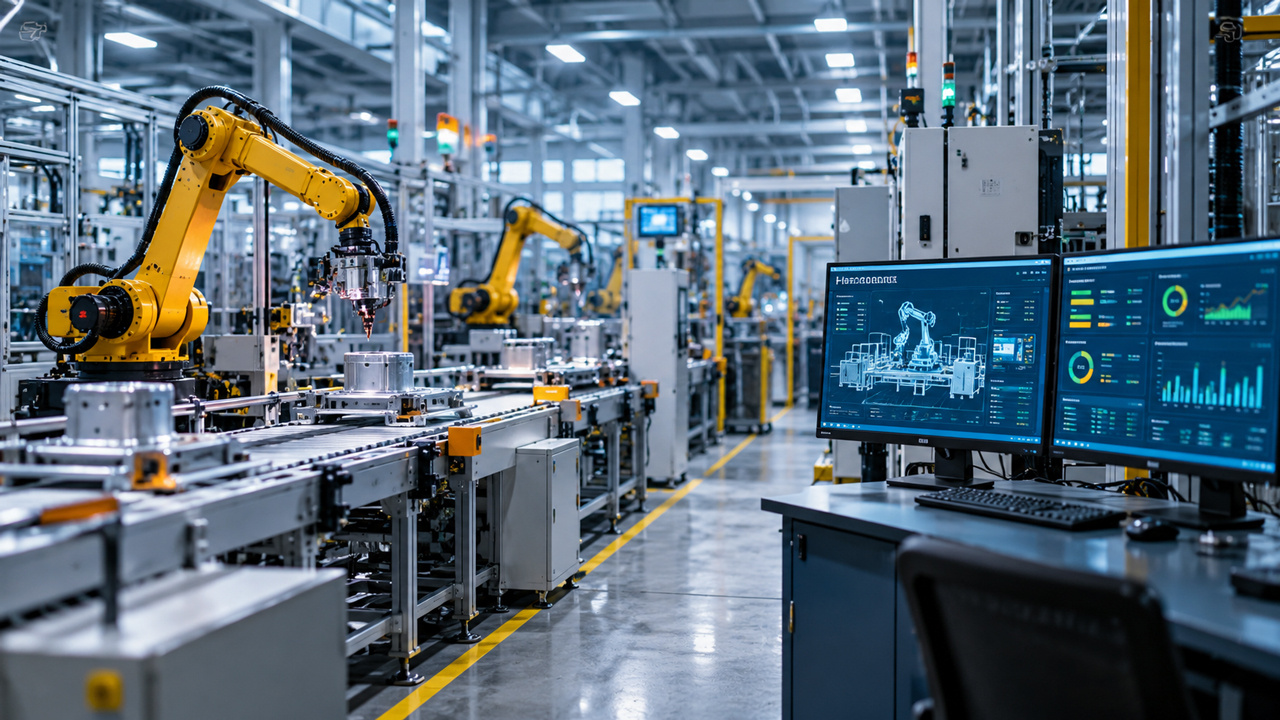
Manufacturing IoT applications revolutionize production efficiency, quality control, and operational visibility through intelligent automation and real-time monitoring across industrial environments and supply chain operations.
Jump to:
Predictive maintenance in manufacturing systems are transformative Internet of Things examples that monitor machine vibration, temperature, and performance metrics to prevent costly equipment failures. These systems use a wide range of IoT devices, from vibration sensors (accelerometers) to temperature sensors, imaging cameras, acoustic and ultrasonic sensors, pressure flow sensors, as well as edge gateways, cellular routers, serial servers and more. They can reduce unplanned downtime by up to 50% while extending equipment lifecycles through data-driven maintenance scheduling and early failure detection.
Table 5: Efficiencies from IoT Enabled Predictive Maintenance
| Source |
Metric |
Impact Range |
Impact Area |
| McKinsey & Company |
Unplanned Downtime |
30% to 50% reduction |
Global Manufacturing |
| Maintenance Costs |
18% to 25% reduction |
| Asset Lifespan |
20% to 40% extension |
| Deloitte |
Equipment Breakdowns |
Up to 70% reduction |
Industry 4.0 Readiness |
| Maintenance Planning |
20% to 50% time reduction |
| Asset Uptime |
10% to 20% increase |
| Siemens and Aberdeen |
Downtime Costs |
$50,000 to $260,000+ per hour |
Large Industrial Plants |
Production line monitoring systems provide real-time tracking of throughput, quality metrics, and operational efficiency across manufacturing processes. These are examples of the Internet of Things that can improve overall equipment effectiveness (OEE) by 14-18% while enabling rapid response to production anomalies and bottlenecks. Depending on the use case, the IoT devices used in production line monitoring systems can include sensors to monitor things like vibration, pressure and flow, machine vision cameras to watch for defects, RFID readers and barcode scanners, plus connectivity devices including PLCs, edge gateways, 5G cellular routers and serial servers.
Quality control systems in manufacturing are Industry 4.0 IoT applications that detect product defects, dimensional variations, and compliance issues during manufacturing processes. These systems reduce defect rates by 20-50% while ensuring consistent product quality through continuous monitoring and automated rejection protocols. Examples of IoT devices include machine vision cameras, laser displacement and dimensional measurement sensors, barcode and RFID readers for part traceability, smart torque tools that log fastening results, and PLCs that trigger automated reject mechanisms. Edge gateways and routers aggregate this data for local analysis and send it to MES or cloud platforms.
Environmental monitoring and control systems are safety-focused applications that monitor air quality, temperature, humidity, and chemical exposure levels in manufacturing environments. These systems ensure worker safety compliance while optimizing environmental conditions for product quality and regulatory adherence. Examples of IoT devices include air quality and particulate sensors, gas and volatile organic compound (VOC) detectors, temperature and humidity sensors, and wearable exposure monitors, with edge gateways or industrial cellular routers sending the data to monitoring platforms.
Smart energy management systems are cost-saving examples of IoT that monitor and optimize electrical consumption, peak demand, and energy efficiency across manufacturing operations. These systems reduce energy costs by up to 30% while supporting sustainability goals through intelligent load management and renewable energy integration. See the table for additional data points.
Table 6: Energy Saving Metrics for IoT-Enabled Smart Energy Management Systems
Learn more about the use cases and benefits of the IoT in Manufacturing.
Examples of the IoT in the Supply Chain

Supply chain IoT solutions enhance visibility, traceability, and efficiency across global logistics networks through intelligent tracking, monitoring, and automated management systems for diverse cargo types.
Jump to:
Real-time tracking systems in the supply chain are essential Internet of Things examples that provide continuous location visibility and delivery status updates. These systems can reduce delivery and shipping delays by up to 58% while improving customer satisfaction through accurate delivery predictions and proactive exception management. Examples of IoT devices include vehicle-mounted GPS trackers, telematics units, asset trackers for trailers and containers, pallet-level tags, and electronic logging devices (ELDs), typically connected through cellular networks or in-vehicle cellular routers.
Cold chain monitoring protects perishable goods such as fresh produce, dairy, seafood, and vaccines at every stage from storage to delivery. These are applications of IoT that prevent spoilage and support food safety and regulatory compliance through continuous temperature tracking and automated alerts. Examples of IoT devices include wireless temperature and humidity sensors, refrigerator and freezer monitors, door-open sensors, and GPS-enabled data loggers for shipments, typically connected through cellular networks or cellular routers.
Smart warehousing and automated inventory systems involve a range of uses of IoT technology, for example to track stock levels, optimize storage allocation, and predict replenishment needs through real-time data analytics. These systems replace manual cycle counts and guesswork with continuous, real-time automated data streams. The use of IoT devices, including sensors and programmed ID hardware such as RFID and barcode readers, shows very promising results in efficiency. A range of examples, include air shipping time decreasing by 54%, inventory accuracy improving from 98% to 99.52%, improvements in order processing from 50-100%, and customer complaints dropping by 11%..
Delivery tracking systems provide customer-focused IoT use case examples such as real-time delivery updates, optimized delivery routes, and flexible delivery options. These systems use RFID tags, readers, scanners and other IoT devices and have been shown to reduce operational costs by up to 30%, reduce fuel consumption by 20%, and decrease cargo theft and loss by 30%, while improving customer satisfaction through proactive communication.
Security monitoring systems in logistics detect theft, tampering, and unauthorized access throughout the supply chain. The obvious example of IoT devices in these systems is a surveillance camera, but they also utilize IoT sensors, smart tags, and connectivity systems like gateways and routers, with excellent ROI. For example, security monitoring systems have been shown to decrease annual security events by 80%. See the table for additional examples.
Table 7: Reductions in Security Incidents from IoT Enabled Detection
| Source |
Improvement Area |
Metric / Percentage Change |
| ResearchGate / Smart Technologies Study |
Security Incident Reductions |
80% decrease in annual security events (dropping from 5 to 1 per year) alongside a 95% efficacy rating in risk prevention compared to conventional systems. |
| MDPI Sustainability Journal |
Cybersecurity Vulnerabilities |
60% reduction in cybersecurity vulnerabilities across connected industrial systems through standardized IIoT framework deployment. |
| ElifTech / Moeco Case Insights |
Damage Claims Mitigation |
42% reduction in cargo and parcel damage claims within six months of implementing live IoT tracking. |
| Journal of Marketing & Social Research |
Supply Chain Risk Detection |
68% improvement in disruption detection capabilities and 61% boost in overall system resilience and recovery speed. |
| ScienceDirect / SCM Data-Driven Security |
Intrusion Detection Rate |
95% accuracy rate in detecting real-time routing anomalies and security network intrusions. |
Learn more about the use cases and benefits of the IoT in Supply Chain.
Examples of the IoT in Asset Management
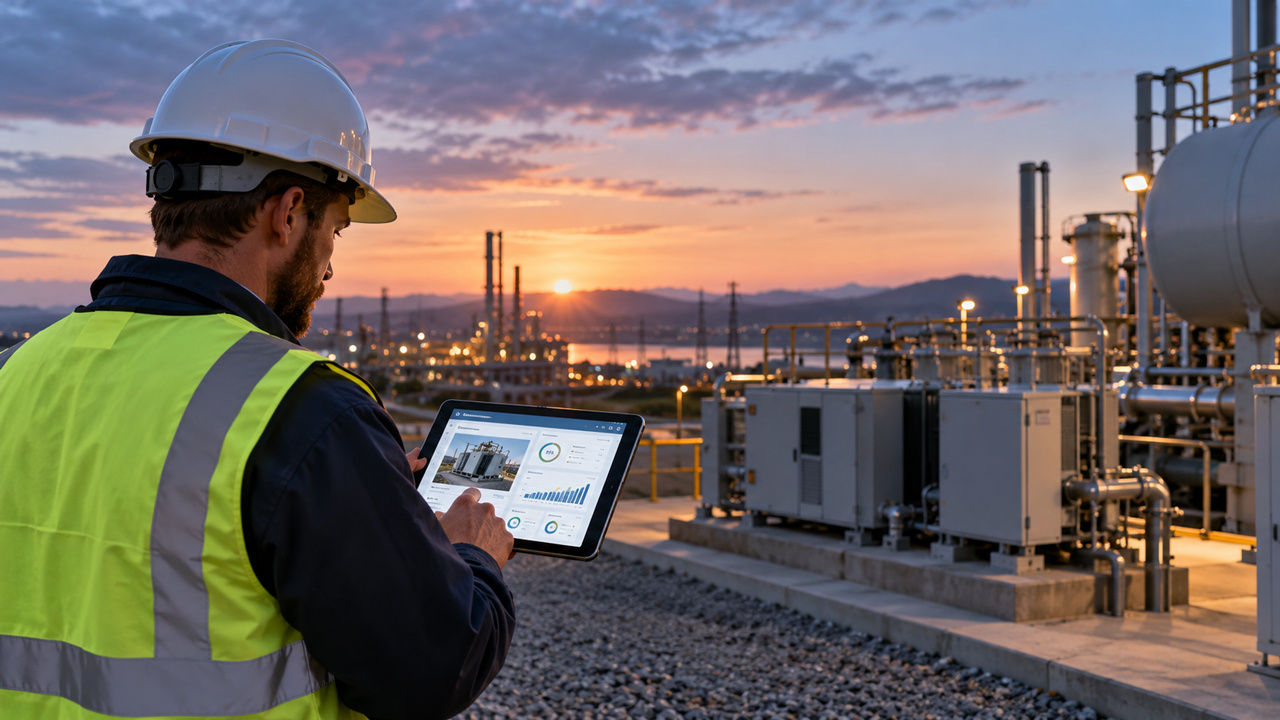
Asset management IoT solutions optimize equipment utilization, extend asset lifecycles, and reduce operational costs through intelligent monitoring, predictive analytics, and automated maintenance scheduling across diverse industries.
Jump to:
Asset tracking in logistics includes a range of examples of the Internet of Things from pick and pack robotic systems to inventory management and of course asset management. IoT devices can include Bluetooth Low Energy sensors and wireless Bluetooth communication modules, LoRaWAN-based trackers, satellite trackers, and cellular modems that track equipment location, utilization rates, and operational status across distributed operations. Organizations utilizing IoT asset tracking systems typically experience an improvement in asset utilization of 15% to 30%, alongside a 20% decrease in maintenance costs and a 15% increase in overall equipment effectiveness (OEE)
Predictive maintenance in asset management systems involves analyzing equipment performance patterns to predict optimal maintenance timing and prevent unexpected failures. IoT examples in these systems include vibration, temperature, acoustic/ultrasonic and environmental sensors, as well as edge gateways and routers and industrial PLCs. These systems improve a range of metrics through proactive intervention and optimized service , including reduction in unplanned downtime and maintenance expense.
Table 8: Improvements in Downtime and Costs from Predictive Maintenance in Asset Management
| Source |
Unplanned Downtime Reduction |
Maintenance Cost Savings |
Asset Lifespan Extension |
Equipment Uptime/Availability |
| McKinsey & Company |
30% – 50% |
18% – 25% |
20% – 40% |
5% – 15% line availability |
| Deloitte |
30% – 50% |
5% – 10% / Up to 40% |
20% – 25% |
10% – 20% |
| U.S. Dept. of Energy (DOE) |
35% – 45% |
25% – 30% |
20% – 40% |
20% – 25% production yield |
Asset lifecycle systems are Internet of Things applications that use performance and condition monitoring to track asset utilization, efficiency metrics, and degradation patterns throughout operational lifecycles. These systems use IoT devices such as temperature, humidity and vibration sensors and edge gateways to optimize the timing of asset replacement while maximizing return on investment through data-driven lifecycle management.
Smart inventory management is an example of IoT that automatically monitors inventory levels and triggers reorder processes based on usage patterns and lead times. IoT devices such as RFID tags and readers, smart shelves, weight sensors and digital price and stock tags support automation and efficiency, which can reduce stockout incidents by 35-45% while minimizing inventory carrying costs through optimized ordering strategies.
Remote configuration and diagnostics capabilities enable technicians to diagnose, configure, and troubleshoot equipment from a centralized location. Examples of IoT devices in these systems include IoT gateways and edge routers, condition, vibration and environmental sensors, pressure and flow meters, GPS trackers, and smart embedded controllers and PLCs, which can support improvements such as 20% reduction in field maintenance costs, and resolution of up to 90% remote resolution of device/connectivity issues.
Learn more about the use cases and benefits of the IoT in Asset Management.
Examples of the IoT in Oil & Gas
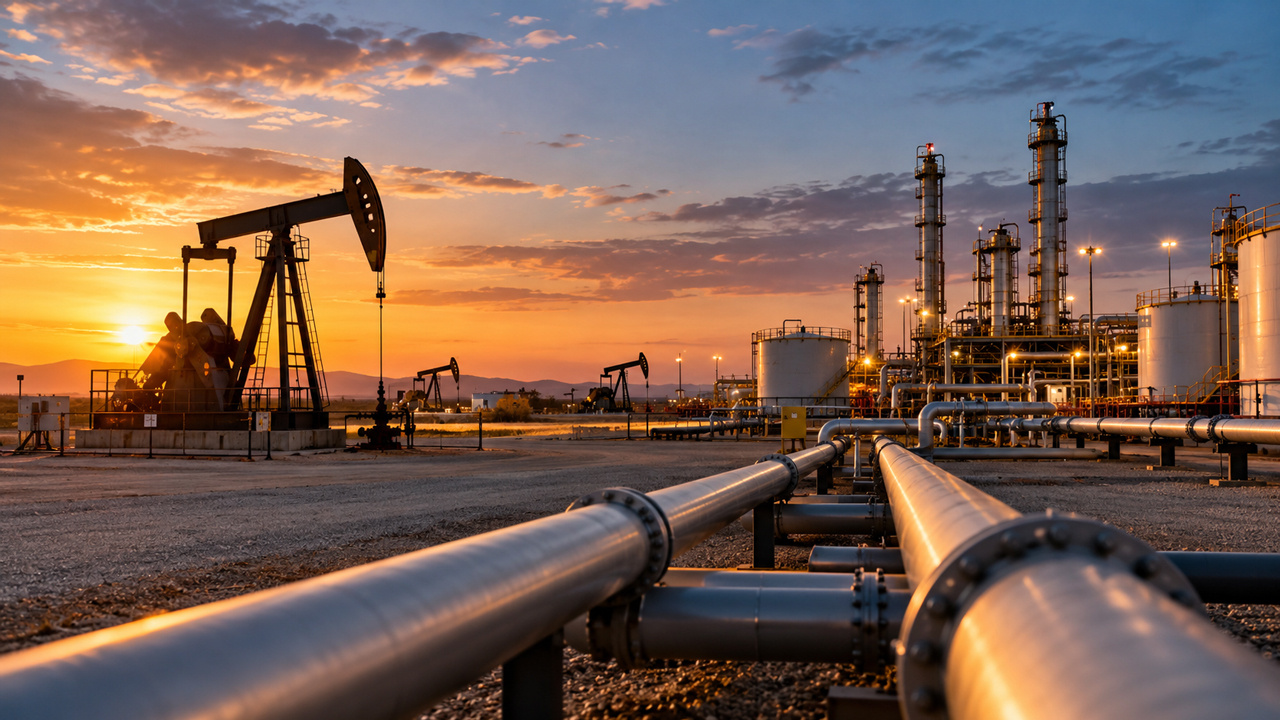
Oil and gas IoT applications enhance operational safety, environmental compliance, and production efficiency through advanced monitoring systems designed for hazardous environments and critical infrastructure protection.
Jump to:
Pipeline monitoring systems continuously track pressure variations, flow rates, and potential leak detection across pipeline networks. These systems are excellent Internet of Things examples as they utilize a range of sensors, flow meters, transmitters, thermal cameras, actuators and valve controllers, as well as IoT gateways and edge computing devices to prevent environmental incidents through continuous automated monitoring.
Learn more about how oil and gas operations rely on Digi's robust connectivity solutions.
Hazardous area monitoring enables remote equipment oversight without exposing personnel to dangerous environments. These are applications of IoT utilizing condition monitoring sensors to track pressure, level and flow, gas and leak detectors, CCTV cameras to provide real-time visual feeds of hazardous areas, and body-worn equipment such as smart helmets and gas detection badges. These critical systems reduce safety incidents while maintaining operational continuity through intelligent remote monitoring and control in explosive or toxic atmospheres.
Drilling equipment analytics systems are used to monitor drilling performance, equipment wear patterns, and operational efficiency to optimize maintenance schedules. Uses of IoT devices and sensors include temperature and vibration sensors and pressure transducers to monitor critical mechanical and operational parameters on drilling rigs to reduce downtime and maintenance costs. See the table for some key metrics.
Table 9: Downtime and Cost Reductions from Predictive Maintenance of Drilling Equipment
| Authoritative Reference / Pilot Study |
Unplanned Downtime Reduction |
Maintenance Cost Savings |
Equipment Life / Reliability |
Key Architectural Focus |
| AI Drilling Equipment Pilot (ResearchGate) |
35% reduction |
28% decrease |
92% F1-score failure prediction accuracy |
Real-time LSTM models tracking telemetry & remaining useful life (RUL) |
| Offshore Infrastructure Report (MaxGrip) |
36% reduction |
$34 Million saved annually per average facility |
Mitigates standard 27 downtime days per year |
Condition-based asset monitoring across offshore rigs and platforms |
| Oilfield Fleet Deployment (FleetRabbit) |
89% reduction |
$2.8 Million annual cost savings |
3.2x extension in equipment service life |
Fleet-wide monitoring across 240 drilling rigs and service vehicles |
| Global Energy Operations Case (McKinsey) |
57% reduction in specific critical failures |
Slashes catastrophic downtime duration from 14 days down to 6 |
Prevents daily losses of $1M – $2M from unplanned shutdowns |
Multi-sensor pattern correlation on heavy compression and drilling components |
Emissions and environmental monitoring systems track air quality, water discharge, and environmental impact metrics to ensure regulatory compliance and safety. These systems are IoT use case examples that utilize devices such as gas leak detectors, optical gas imaging (OGI) and infrared cameras, optical laser sensors, pyrometers, environmental. pressure and flow sensors, and wearable IoT gas detectors, as well as industrial cellular routers, satellite connectivity, and LoRaWAN routers and gateways. Automating emissions monitoring and regulatory reporting through continuous monitoring and data feeds supports critical compliance requirements.
Personnel safety systems use IoT solutions including specialized, intrinsically safe or explosion-proof connected devices designed to monitor worker locations, environmental conditions, and emergency situations in hazardous operational areas, and prevent ignitions and other environmental threats. These systems reduce workplace accidents while enabling rapid emergency response, which can result in a 50% reduction in lost-time injury rates.
Learn more about the use cases and benefits of the IoT in Oil and Gas.
Examples of the IoT in Construction

Construction IoT solutions improve project efficiency, enhance worker safety, and optimize resource utilization through intelligent monitoring, equipment tracking, and automated site management systems across diverse construction projects.
Jump to:
Equipment tracking systems monitor heavy machinery location, operational hours, and utilization efficiency across construction sites. The examples of the Internet of Things devices in these systems include cellular GPS trackers, Bluetooth Low Energy beacons and tags, RFID tags and readers, IoT gateways and edge computing routers, which are used to reduce equipment theft. The ROI is considerable, as 71% of midsized construction operations experience equipment theft quarterly without these IoT solutions. By contrast, using real-time location tracking systems can improve theft recovery rate by 66% to 69%, often within 24 hours.
Worker safety systems include IoT applications such as smart helmets, smart vests and clothing, smart badges and tags such as LoRaWAN badges and RFID tags, and biometric health devices. These solutions monitor worker vital signs, location, and environmental exposure to reduce risks, and can reduce workplace accidents by up to 40% while enabling rapid emergency response through real-time alerts.
Building monitoring systems track structural integrity, material stress, and construction quality throughout building phases. These Internet of Things examples utilize devices such as tilt sensors, wireless crack meters, MEMS accelerometers, vibration sensors and strain gauges for building integrity monitoring, as well as concrete maturity monitoring sensors, surveillance cameras and more These systems ensure structural and site safety while reducing inspection costs through continuous automated monitoring and early problem detection.
Energy management systems provide a cost-saving and eco-friendly example of IoT, using devices such as digital fuel-level sensors, smart fuel caps, IoT flow meters, smart meters and generator controllers designed to monitor electrical consumption, generator performance, and fuel usage across construction operations. These systems can reduce energy consumption by up to 30%, and costs by up to 20%. Additionally, comprehensive studies show that the savings heavily offset the cost of the initial system integration.
Environmental monitoring systems are key uses of IoT in the construction industry, utilizing specialized environmental IoT sensors to protect worker health, ensure regulatory compliance, and minimize the impact of construction activities on surrounding communities. IoT devices in these applications include laser particle counters, wireless silica dust monitors, gas and chemical air quality monitors, smart sound level meters, IoT weather stations and more.
Security monitoring systems in construction provide remote site monitoring capabilities that can reduce site theft incidents by 30%, and total safety and security incidents by up to 44% while enabling project oversight. Examples of IoT devices in these systems include video camera networks, motion sensors, RFID asset trackers and acoustic sensors that provide 24/7 site surveillance, asset monitoring and theft prevention.
Learn more about the use cases and benefits of the IoT in Construction.
Examples of the IoT in Healthcare

Healthcare and medical IoT applications revolutionize patient care, operational efficiency, and medical outcomes through intelligent monitoring, automated systems, and connected medical devices that enhance treatment capabilities and hospital operations.
Jump to:
Remote patient monitoring today offers a range of Internet of Things examples. These applications include devices that continuously track vital signs, medication compliance, and health metrics such as blood sugar, weight, blood pressure and respiratory rate. Others automatically administer insulin or medications.
Examples of these Internet of Medical Things or IoMT devices include smart watches, fitness trackers, smart clothing and smart rings, continuous glucose monitors (CGM), cellular and Bluetooth blood pressure cuffs, pulse oximeters, continuous biosensor patches and smart medication dispensers. A large-scale report from 39 different studies shows a range of positive patient outcomes, from a reduction in hospital readmissions to improvements in mortality statistics.
See the table for specific metrics, sourced from PubMed.
Table 10: Patient Health Outcome Improvements from Wearables and Remote Monitoring
| Health Metric |
Percentage Reduction |
Statistical / Source Details |
| All-Cause Hospital Readmission |
25% lower risk |
Overall reduction for patients using remote biometric sensing. |
| 30-Day Hospital Readmission |
26% lower risk |
Specifically marked during the highest-risk 30 days post-discharge. |
| 30-Day Mortality (Death) |
37% lower risk |
Demonstrates that lower readmissions are paired with improved survival rates. |
| Post-Surgical Readmissions |
18% lower risk |
Specific to patients recovering from surgical interventions. |
| Heart Failure (HF) Hospitalization |
20% lower risk |
Meta-analysis of remote patient monitoring (RPM) in HF management (Risk Ratio: 0.80). |
Hospital automation systems are applications of IoT that manage environmental controls, lighting, security, and patient tracking throughout healthcare facilities. The IoT devices in these systems are vast, and include Bluetooth and Wi-Fi smart badges, infant protection smart bands, wireless humidification and temperature devices that protect blood banks and pharmaceuticals, biometric and smart card access controllers, smart lockdown door actuators, and optical security sensors. These smart hospital infrastructure systems have been shown in real-world clinical validations to directly eliminate human errors and protect hospital environments across several critical vectors. For example, 95% of hospitals in a survey reported that active RFID infant protection solutions significantly enhanced neonatal and pediatric patient safety.
Pharmaceutical monitoring systems are critical IoT use case examples that ensure proper storage temperatures and conditions for medications, vaccines, and biological samples. Utilizing dedicated IoT sensors, cellular and Bluetooth Low Energy data loggers, and gateways, these systems prevent medication spoilage and ensure regulatory compliance through continuous temperature monitoring and automated alert and reporting.
A medical equipment tracking system is an Internet of Medical Things (IoMT) solution monitors location, utilization, and maintenance status of critical medical assets throughout a healthcare facility. These systems use a range of connected devices, including Wi-Fi and Bluetooth Low Energy asset tags, infrared tags, passive RFID tags, and smart storage and perimeter security devices, designed to reduce equipment search time and theft, while optimizing asset utilization through real-time location tracking and automated inventory management.
Learn more about the use cases and benefits of the IoT in Healthcare.
Examples of the IoT in Agriculture
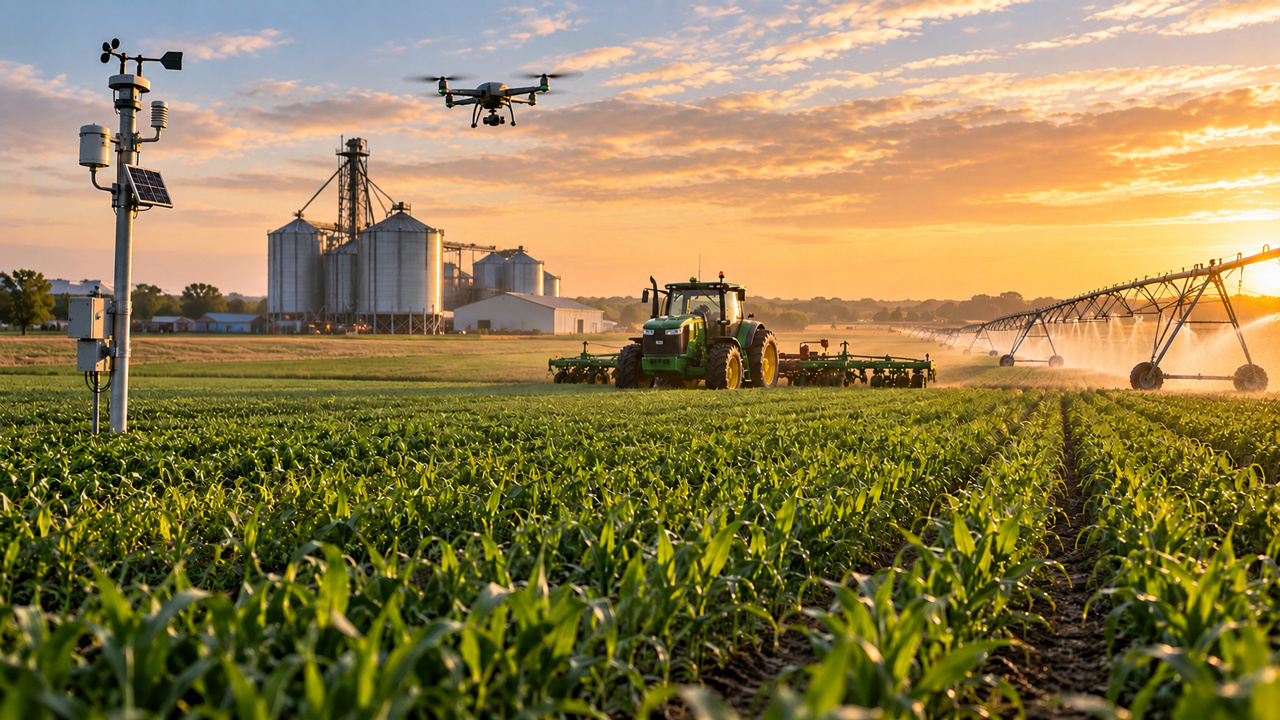
Agricultural IoT includes a range of precision farming techniques designed to optimize crop yields, improve livestock tracking and animal health, reduce resource consumption, and enhance farming efficiency through monitoring and automation across diverse agricultural operations.
Jump to:
Crop monitoring systems are advanced examples of the Internet of Things that track weather systems, soil moisture, nutrient levels, and plant health through distributed sensor networks across agricultural fields. These systems utilize a range of IoT devices including soil and moisture sensors, wireless communication modules, GPS systems, agricultural remote monitoring systems and automation technologies, with many positive outcomes in plant and animal health, reduced fuel consumption, and increased crop yields. For example, optimized farming operations and precision agriculture techniques can increase yields by up to 15% while lowering costs.
Automated irrigation systems are IoT applications that optimize watering schedules based on soil moisture, weather conditions, and crop requirements. These systems can reduce water usage by up to 30% while improving crop health through precise irrigation timing and automated water management protocols.
Animal tracking systems are Internet of Things applications that monitor livestock location, health indicators, and behavioral patterns, and provide virtual containment through GPS collars and sensor technologies. These systems reduce livestock loss while improving animal health through real-time monitoring and automated health alert systems. For example, an organization that offers smart-camera systems to monitor animal behavior in dairy barns to optimize cow health and milk yield reports that optimizing animal welfare and resting time improves milk yields by 5% while reducing waste and increasing profitability.
Agricultural analytics systems are predictive uses of IoT that analyze environmental data, growing conditions, and historical patterns to forecast crop yields and optimize planting strategies. These systems use a range of IoT devices such as soil temperature probes, weather monitoring systems, tank monitoring devices, and wireless communication modules to improve harvest planning while reducing crop loss through predictive analytics and data-driven agricultural management.
Precision agriculture systems that automate fertilizer and pest management are another example of IoT designed to improve farming efficiency and sustainability. These systems automatically apply fertilizers, pesticides, and nutrients based on real-time soil analysis and crop requirements. They help to reduce the use of broad-spectrum pesticide and fertilizer applications by 10-20% while boosting crop productivity through precision application with the use of drones and other precision application methods.
Learn more about the use cases and benefits of the IoT in Agriculture.
Digi International: IoT Solutions For All Industries
The transformative power of Internet of Things examples across these diverse industries demonstrates the vast potential for organizations seeking to optimize operations, enhance safety, and drive innovation. From manufacturing predictive maintenance to smart city infrastructure, healthcare monitoring to agricultural precision, IoT applications continue reshaping how businesses operate and compete in the digital economy.
As organizations explore these top IoT use cases, partnering with experienced solution providers becomes essential for successful implementation and long-term value realization. Explore Digi's comprehensive IoT solutions to discover how our connectivity expertise, device management platforms, and industry-specific technologies can accelerate your digital transformation journey and unlock the full potential of connected operations.

FAQ: Examples of IoT and IoT Devices Across Industries
What are some examples of the Internet of Things?
Examples of the Internet of Things (IoT) include predictive maintenance sensors on factory equipment, GPS fleet trackers, smart street lighting, cold chain temperature monitors, remote patient monitoring wearables, and precision agriculture soil sensors. IoT connects physical devices with sensors, software, and network connectivity so they can collect and exchange data, giving organizations real-time insights, automation, and remote management. Common applications span manufacturing, transportation, supply chain, asset management, oil and gas, construction, smart cities, healthcare, and agriculture.
What are examples of IoT devices?
IoT devices range from simple sensors to complex industrial systems. Common examples include:
- Sensors: Vibration, temperature, pressure, flow, gas, moisture, and fill-level sensors
- Trackers and tags: GPS trackers, Bluetooth Low Energy (BLE) tags, RFID tags and readers, LoRaWAN trackers
- Cameras: IP cameras, machine vision cameras, dash cameras, thermal imaging cameras
- Wearables: Smart watches, smart helmets, gas detection badges, continuous glucose monitors
- Connectivity and control devices: Cellular routers, edge gateways, serial servers, console servers, and PLCs
How many IoT devices are there worldwide?
The number of IoT devices worldwide is projected to grow from more than 21 billion today to more than 40.6 billion by 2034. Growth is driven by mature supporting technologies, better sensing capabilities, and robust high-speed networks, plus rising demand for remote insights, remote management, and automation.
What are the most common IoT use cases across industries?
Four use cases appear across nearly every industry:
- Predictive maintenance: Sensor data anticipates equipment failures before they occur.
- Remote monitoring: Teams get real-time visibility into assets and operations from a central location.
- Centralized device management: Administrators configure, update, and secure large fleets of connected devices.
- Real-time alerts: Immediate notifications turn reactive operations into proactive management.
How do IoT devices connect to the Internet?
IoT devices connect through cellular networks (4G LTE and 5G), Wi-Fi, Bluetooth and BLE, LoRaWAN, and satellite. Many sensors don’t connect directly. They send data to an edge gateway or cellular router, which forwards it to cloud or analytics platforms. Digi’s cellular routers and edge gateways provide this connectivity in challenging environments such as vehicles, remote field sites, and industrial facilities.
How do organizations manage large numbers of IoT devices?
Centralized device management platforms let administrators monitor, configure, and secure deployments ranging from dozens to hundreds of thousands of connected devices. Managed devices typically include cellular routers, edge gateways, console servers, remote sensors, and IP cameras. Digi Remote Manager supports consistent security updates and remote configuration, and its integrated AI expands functionality while reducing strain on IT teams.
What is predictive maintenance in IoT?
Predictive maintenance uses IoT sensor data to anticipate equipment failures before they happen. Vibration sensors on motors and pumps, thermal imaging, acoustic and ultrasonic sensors, oil quality sensors, and current sensors feed data through edge gateways and cellular routers to analytics platforms. This approach can reduce unplanned downtime by 30% to 50% while extending asset lifecycles.
What are some examples of IoT in manufacturing?
Manufacturing examples include predictive maintenance for factory equipment, production line condition monitoring, quality control with machine vision and smart sensors, factory environmental monitoring, and energy usage optimization. These systems can improve overall equipment effectiveness (OEE) by 14% to 18%, reduce defect rates by 20% to 50%, and reduce energy costs by up to 30%.
How does IoT improve asset management?
IoT asset management uses BLE sensors, LoRaWAN trackers, satellite trackers, and cellular modems to monitor equipment location, utilization, and condition. Organizations typically see a 15% to 30% improvement in asset utilization, a 20% decrease in maintenance costs, and a 15% increase in OEE. IoT also enables remote configuration and diagnostics, which can cut field maintenance costs by 20% and resolve up to 90% of device and connectivity issues remotely.
What are some examples of IoT in transportation?
Transportation examples include fleet telematics and vehicle diagnostics, route optimization with real-time traffic data, cold chain monitoring in transit, public transit Wi-Fi, electric vehicle charging, and emergency vehicle communications. Devices include OBD-II and J1939 telematics units, GPS trackers, tire pressure sensors, dash cameras, and in-vehicle cellular routers. Fleet telematics can reduce maintenance costs by up to 14%.
How does IoT improve supply chain visibility?
IoT provides continuous location and condition data through vehicle-mounted GPS trackers, container and trailer asset trackers, pallet-level tags, RFID readers, and ELDs. Real-time shipment tracking can reduce delivery and shipping delays by up to 58%. Last-mile visibility has been shown to reduce operational costs by up to 30%, fuel consumption by 20%, and cargo theft and loss by 30%.
How does IoT support cold chain monitoring?
Cold chain monitoring protects temperature-sensitive goods such as produce, dairy, seafood, pharmaceuticals, and vaccines. Wireless temperature and humidity probes, reefer monitors, door-open sensors, shock and tilt sensors, and GPS-enabled data loggers track conditions continuously and send automated alerts when thresholds are breached. This helps prevent spoilage and supports regulatory compliance.
What are some examples of IoT in smart cities?
Smart city examples include intelligent traffic management, connected street lighting, smart waste collection, smart parking, and air quality monitoring networks. Devices include connected traffic signal controllers, networked LED luminaire controllers, ultrasonic fill-level sensors, in-ground parking sensors, and particulate and gas sensors.
How does IoT reduce energy use in street lighting?
Smart street lighting uses networked LED controllers, ambient light sensors, and motion sensors to adjust illumination based on conditions and pedestrian activity. These systems can reduce energy consumption by 30% to 70% while improving public safety.
What are some examples of IoT in oil and gas?
Oil and gas operators use IoT for pipeline pressure, flow, and leak monitoring; remote equipment monitoring in hazardous zones; predictive maintenance for drilling equipment; environmental compliance monitoring; and worker safety. These systems rely on sensors, flow meters, gas detectors, thermal and optical gas imaging cameras, and rugged gateways. Worker safety applications can contribute to a 50% reduction in lost-time injury rates.
What are some examples of IoT in construction?
Construction IoT includes heavy equipment tracking, wearable safety devices, structural health monitoring, smart power and fuel management, environmental monitoring for noise, dust, and air quality, and remote video surveillance. Real-time location tracking can improve theft recovery rates by 66% to 69%, wearables can reduce workplace accidents by up to 40%, and remote video surveillance can reduce total safety and security incidents by up to 44%.
What are some examples of IoT in healthcare?
Healthcare IoT, often called the Internet of Medical Things (IoMT), includes smart watches, continuous glucose monitors, connected blood pressure cuffs, pulse oximeters, biosensor patches, smart medication dispensers, hospital asset tags, and pharmaceutical cold chain loggers. Remote patient monitoring is associated with 25% lower all-cause hospital readmission risk and 20% lower heart failure hospitalization risk, based on a large report covering 39 studies.
What are some examples of IoT in agriculture?
Agricultural IoT includes precision crop monitoring, smart irrigation, livestock monitoring and geofencing, crop yield prediction, and automated fertilization and pest management. Soil moisture sensors, weather stations, GPS collars, and drones help farmers optimize operations. Precision agriculture can increase yields by up to 15%, smart irrigation can reduce water use by up to 30%, and precision application can cut broad-spectrum pesticide and fertilizer use by 10% to 20%.
What are the benefits of IoT for businesses?
Key benefits include reduced unplanned downtime, lower maintenance and operating costs, improved worker safety, real-time visibility, faster response times, better regulatory compliance, and data-driven decision making. For example, remote monitoring can cut on-site inspection costs by up to 40%, and real-time alerting can reduce emergency response times by over 35%.
Why is reliable connectivity important for IoT?
IoT systems are only as dependable as their connection. Predictive maintenance, remote monitoring, and real-time alerts all depend on consistent data transmission, often in remote, mobile, or harsh environments. Cellular routers, edge gateways, and serial servers provide this link, and centralized management keeps devices secure and up to date. Digi provides connectivity solutions and device management platforms for demanding IoT applications worldwide.